
MSC Virtuosa: How Much Food Does It Take to Feed 7,466 People for 7 Days?
Have you ever wondered how much food and drink it takes to feed everyone aboard a massive cruise ship like MSC Virtuosa? With thousands of passengers and crew members eating throughout the day, the amount of food required for a single week is extraordinary.
An MSC Virtuosa food and beverage provisioning document provides a fascinating look behind the scenes. The document, titled “Provision Food & Beverages,” details the quantities of ingredients and drinks allocated for a seven-day cruise with 5,786 passengers and 1,680 crew members.
We’re talking about 45,600 fresh eggs, more than 20 metric tons of fresh fruit, over 30 metric tons of frozen vegetables, and nearly 50,000 bottles of water.
These figures offer a rare perspective on the logistics required to keep one of MSC Cruises’ largest ships supplied throughout a weeklong voyage.
For more information before your MSC Cruise, CruisePrism readers can also explore our MSC Cruises Dining Menus, MSC Drink Lists and MSC Onboard Guides for more dining, activities, schedules and cruise-planning information.
MSC Virtuosa: Feeding More Than 7,000 People at Sea
MSC Virtuosa is a Meraviglia-Plus-class cruise ship operated by MSC Cruises. Built by Chantiers de l’Atlantique in France and delivered in 2021, the ship is designed to accommodate thousands of passengers across a wide range of cabins and suites.
The ship features multiple restaurants, buffets, bars, lounges, entertainment venues, and other facilities that serve guests throughout their cruise.
The provisioning document provides the following figures for a seven-day voyage:
- Passengers: 5,786
- Crew members: 1,680
- Total people onboard: 7,466
- Cruise duration: 7 days
- Total person-days: 52,262
That means MSC Virtuosa’s food and beverage operation must account for the needs of thousands of people every single day.
Unlike a restaurant on land, a cruise ship must coordinate its supplies around a sailing schedule, available storage, and opportunities to replenish provisions in port.
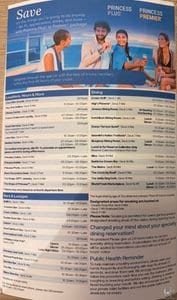
MSC Virtuosa Food and Beverage Provisioning Document

The photographed document is headed “Provision Food & Beverages,” with the MSC Cruises logo in the upper-right corner.
The main table is labeled “Consumption for 7 Days Cruise.”
It contains 33 food and beverage categories, with quantities measured in:
- KG: Kilograms
- LT: Liters
- EA: Individual units
At the bottom is an illustration of an MSC cruise ship featuring marine-themed artwork and MSC’s #savethesea branding.
The document provides a detailed breakdown of the supplies associated with this particular seven-day provisioning example.
One important distinction is that the heading uses the word “Consumption.” It does not establish whether the figures represent projected requirements, quantities loaded aboard, or actual consumption recorded after the voyage.
For that reason, the numbers are presented here as the quantities listed in the MSC Virtuosa provisioning document, rather than confirmed amounts consumed by passengers.
How Much Food Does MSC Virtuosa Need for Seven Days?
Some of the largest quantities listed in the document involve fresh produce, frozen ingredients, meat, poultry, and seafood.
The provisioning figures include:
- Fresh eggs: 45,600 individual eggs
- Fresh fruits: 20,174 kg (44,476 pounds)
- Fresh vegetables: 21,555 kg (47,521 pounds)
- Frozen vegetables: 30,630 kg (67,528 pounds)
- Frozen fruits: 614 kg (1,354 pounds)
- Fish and crab: 7,747 kg (17,080 pounds)
- Frozen meats: 7,385 kg (16,281 pounds)
- Frozen poultry: 7,196 kg (15,864 pounds)
- Mixed cheeses: 3,370 kg (7,429 pounds)
- Flour and mixed flours: 6,063 kg (13,367 pounds)
- Rice: 3,417 kg (7,533 pounds)
- Dry pasta: 1,530 kg (3,373 pounds)
These quantities illustrate the scale of feeding thousands of people aboard MSC Virtuosa.
The ship’s kitchens must support different dining preferences and meal services, from breakfast and lunch to dinner and snacks.
The document does not break down how much food is assigned to each restaurant, but the combined quantities demonstrate the considerable scale of the operation.
MSC Virtuosa Needs 45,600 Fresh Eggs for One Week
One of the most remarkable figures is the number of eggs.
The provisioning document lists 45,600 fresh eggs for the seven-day cruise.
That works out to approximately:
- 6,514 fresh eggs per day
- 38,400 eggs per six days
- 0.87 fresh eggs per person per day, averaged across passengers and crew
These calculations are averages, not actual individual consumption figures.
Eggs are used for far more than breakfast. In large-scale cruise ship kitchens, they can be ingredients in baked goods, desserts, sauces, and other prepared dishes.
The document also lists 2,077 kilograms of liquid whole egg.
This is a separate category from the 45,600 fresh eggs, showing that the provisioning plan includes both shell eggs and liquid egg products.
More Than 41 Metric Tons of Fresh Produce
Fresh fruits and vegetables account for an enormous amount of the food listed in the document.
MSC Virtuosa’s seven-day figures include:
- Fresh fruits: 20,174 kg
- Fresh vegetables: 21,555 kg
Together, these categories total 41,729 kilograms, or approximately 92,000 pounds.
That is more than 41 metric tons of fresh produce.
For perspective, the combined amount averages approximately 5,961 kilograms of fresh fruits and vegetables per day.
Fresh produce supports a variety of food preparations, including salads, vegetable dishes, fruit selections, garnishes, and desserts.
The document does not identify individual products such as bananas, apples, tomatoes, or lettuce.
However, the total quantity provides an impressive illustration of how much fresh food is needed to support MSC Virtuosa’s dining operations.
Frozen Food Supplies on MSC Virtuosa
In addition to fresh ingredients, MSC Virtuosa’s provisioning list includes substantial quantities of frozen food.
The largest category is frozen vegetables.
The document lists:
- Frozen vegetables: 30,630 kg
- Frozen meats: 7,385 kg
- Frozen poultry: 7,196 kg
- Frozen fruits: 614 kg
The combined weight of these four frozen categories is 45,825 kilograms, or approximately 101,027 pounds.
That is more than 45 metric tons of frozen food.
Frozen ingredients help large food service operations maintain supplies throughout a voyage and provide flexibility when preparing meals.
The document does not specify the ship’s freezer capacities, storage arrangements, or the precise distribution of frozen ingredients between dining venues.
How Much Meat and Seafood Does MSC Virtuosa Carry?
Meat, poultry, and seafood represent another substantial portion of the listed provisions.
The quantities include:
- Frozen meats: 7,385 kg
- Frozen poultry: 7,196 kg
- Fish and crab: 7,747 kg
- Cold cuts and sausages: 1,364 kg
Together, these categories total 23,692 kilograms, or approximately 52,232 pounds.
That is nearly 24 metric tons of meat, poultry, seafood, and processed meat products.
The document does not identify individual cuts of meat, types of fish, or specific seafood varieties beyond the fish and crab category.
It also does not indicate how these ingredients are allocated among MSC Virtuosa’s dining venues.
Nevertheless, the combined weight demonstrates the scale of protein provisioning required for a large cruise ship.
Pasta, Rice, Flour, and Cheese Supplies
MSC Virtuosa serves a large international passenger population, and its provisioning list includes ingredients used in many different cuisines.
The document specifies:
- Dry pasta: 1,530 kg
- Rice: 3,417 kg
- Flour and mixed flours: 6,063 kg
- Mixed cheeses: 3,370 kg
The combined weight of these four categories is 14,380 kilograms.
Flour is particularly important in large kitchens because it can be used for bread, pizza dough, pastries, and other baked products.
Rice and pasta are versatile ingredients for main courses and side dishes.
The document does not provide quantities of prepared pizza, pasta dishes, or bread, so those totals cannot be calculated from the provisioning figures alone.
MSC Virtuosa Dairy Products and Breakfast Supplies
The provisioning document also includes several dairy products and breakfast-related ingredients.
These include:
- Milk: 8,901 liters
- Cream for cooking and pastry: 822 liters
- Individual yogurts: 3,600 units
- Bulk yogurt: 1,517 kg
- Chocolate and cocoa: 485 kg
- Sugar: 1,764 kg
Milk, cream, and yogurt can support breakfast service, baking, desserts, beverages, and cooking.
The individual yogurt quantity is especially interesting because the document separately lists yogurt in bulk.
That distinction suggests different packaging formats are included in the provisioning plan, although their specific uses are not identified.
How Much Coffee and Tea Does MSC Virtuosa Need?
Coffee and tea are staples of cruise ship beverage service.
The seven-day provisioning document lists:
- Coffee: 580 kg
- Assorted teas: 30,333 individual units
The coffee quantity averages approximately 82.9 kilograms per day.
The assorted tea quantity averages approximately 4,333 units per day.
However, the document does not specify whether each tea unit represents an individual tea bag, packet, or another packaging format.
Similarly, it does not provide enough information to determine the exact number of cups of coffee produced from the 580 kilograms.
Different brewing methods and serving sizes would affect that calculation.
What the figures do show is the considerable amount of coffee and tea allocated for a single week aboard MSC Virtuosa.
How Much Beer, Wine, and Alcohol Does MSC Virtuosa Need?
One of the most interesting sections of the provisioning document covers alcoholic beverages.
The seven-day quantities include:
- Draught beer: 8,820 liters
- Bottled beers: 13,382 individual units
- Red and white wines: 11,572 individual units
- Liquors, whisky, and spirits: 3,268 individual units
- Cooking wine: 145 liters
The figures demonstrate the significant beverage inventory associated with a large cruise ship.
MSC Virtuosa Draught Beer Consumption
The document lists 8,820 liters of draught beer.
Spread evenly across seven days, that would equal approximately 1,260 liters per day.
In US measurements, that is approximately 333 gallons daily.
The actual distribution across individual days is not provided.
Bottled Beer, Wine, and Spirits
Bottled beer, wine, and spirits are recorded as individual units rather than liters.
The document does not identify the size of those bottles.
Therefore, it would be inaccurate to calculate a total volume or number of servings without making assumptions about container sizes.
It is also important to remember that these are provisioning figures, not a record of how much alcohol individual passengers drank.
Nearly 50,000 Bottles of Water for Seven Days
Water and soft drinks account for some of the largest individual-unit quantities in the document.
MSC Virtuosa’s provisioning figures include:
- Bottled water: 48,164 units
- Soft drinks: 38,290 units
Combined, that is 86,454 individual beverage units.
The bottled water figure averages approximately 6,881 units per day.
Across the 7,466 passengers and crew members, it represents approximately 6.45 bottled water units per person over the entire week.
This is a mathematical average rather than an individual consumption figure.
The document does not identify bottle sizes or indicate whether these beverages were distributed through bars, restaurants, room service, or other onboard operations.
Cooking Oil, Salt, Sugar, and Other Essential Ingredients
Some of the less glamorous ingredients are also required in surprisingly large quantities.
The provisioning list includes:
- Cooking oil and dressings: 3,816 liters
- Salt: 681 kg
- Sugar: 1,764 kg
- Fruit preserves in cans: 480 kg
- Vegetable preserves in cans: 3,547 kg
- Brick wines for cooking: 145 liters
These supplies are essential components of large-scale meal preparation.
Cooking oil, for example, may be used across many different recipes, while sugar is needed for beverages, desserts, and baking.
The quantities highlight how provisioning involves much more than purchasing the finished foods passengers see in restaurants.
How Much Food Is That Per Passenger?
The MSC Virtuosa document covers 7,466 people over seven days, representing 52,262 person-days.
Using that figure, we can calculate averages for selected provisioning categories.
- Fresh fruits: approximately 386 grams per person per day
- Fresh vegetables: approximately 412 grams per person per day
- Frozen vegetables: approximately 586 grams per person per day
- Frozen meats: approximately 141 grams per person per day
- Frozen poultry: approximately 138 grams per person per day
- Fish and crab: approximately 148 grams per person per day
- Dry pasta: approximately 29 grams per person per day
- Rice: approximately 65 grams per person per day
These are inventory-based averages, not measurements of what any individual passenger actually eats.
They include the crew population and do not account for differences in dietary preferences, food preparation, waste, or how supplies are allocated.
Still, they offer an interesting way to understand the quantities involved in provisioning MSC Virtuosa.
Where Does All the Food Go on MSC Virtuosa?
The provisioning quantities become even more interesting when considering the number of dining venues aboard MSC Virtuosa.
The ship features a combination of main dining rooms, a large buffet, specialty restaurants, and bars.
Among its dining venues are:
- Marketplace Buffet: A large buffet serving international dishes and casual meals.
- Blue Danube: One of MSC Virtuosa’s main dining rooms.
- Minuetto: Another main dining restaurant.
- Butcher’s Cut: A specialty steakhouse.
- Kaito Sushi Bar: Japanese cuisine featuring sushi.
- Kaito Teppanyaki: Japanese teppanyaki dining with food prepared at cooking stations.
- Hola! Tacos & Cantina: A specialty restaurant featuring Mexican and Latin American-inspired dishes.
- Indochine Restaurant: French-Vietnamese cuisine.
The ship also features bars and lounges that require their own beverage supplies.
MSC Virtuosa’s Marketplace Buffet alone was designed with approximately 1,336 seats, illustrating how large individual dining facilities can be.
The provisioning document does not specify which quantities are allocated to each restaurant, so it would be inaccurate to assign specific amounts of meat, seafood, or vegetables to individual venues.
However, the variety of dining options helps explain why MSC Virtuosa requires such a broad inventory of ingredients.
How Does MSC Virtuosa Store So Much Food?
One of the biggest challenges of operating a cruise ship is storing enough food to support thousands of people without compromising food safety.
MSC Virtuosa was built with extensive food storage infrastructure.
According to information published by marine accommodation and catering specialist ALMACO, the company supplied more than 2,400 square meters of cold and freezer rooms for MSC Virtuosa during construction.
That is approximately 25,833 square feet of refrigerated and frozen storage space.
This infrastructure helps explain how a ship can accommodate substantial quantities of perishable ingredients.
Cruise ship provisioning involves several interconnected operations:
- Refrigerated storage for perishable products
- Freezer facilities for frozen ingredients
- Dry storage for pasta, rice, flour, and other shelf-stable goods
- Inventory management and stock rotation
- Food preparation across multiple kitchens
- Coordination of deliveries and replenishment
The photographed provisioning document does not reveal how the individual products are stored or how frequently supplies are replenished.
Nevertheless, MSC Virtuosa’s documented refrigerated and frozen storage infrastructure provides useful context for understanding the scale of its food operations.
What Makes MSC Virtuosa’s Provisioning Numbers So Interesting?
The most surprising aspect of the document is not necessarily any single quantity.
It is the combination of everything required to support one seven-day cruise.
Consider just a few of the figures:
- 45,600 fresh eggs
- 20,174 kilograms of fresh fruit
- 21,555 kilograms of fresh vegetables
- 30,630 kilograms of frozen vegetables
- 7,747 kilograms of fish and crab
- 8,820 liters of draught beer
- 48,164 bottled water units
- 38,290 soft drink units
These figures represent an enormous food and beverage operation.
And they cover only the categories included in the photographed document.
The list does not provide a complete breakdown of every ingredient, condiment, packaged product, or prepared food item that may be used aboard the ship.
It also does not provide the monetary value of the provisions.
As a result, the document offers a detailed but not necessarily exhaustive look at the supplies involved in feeding passengers and crew aboard MSC Virtuosa.
Frequently Asked Questions About MSC Virtuosa Food Provisioning
How much food does MSC Virtuosa need for a seven-day cruise?
The photographed provisioning document lists tens of thousands of kilograms of food, including fresh fruits, vegetables, frozen meats, poultry, seafood, pasta, rice, and dairy products. The figures cover a seven-day cruise with 5,786 passengers and 1,680 crew members.
How many eggs does MSC Virtuosa need for one week?
The document lists 45,600 fresh eggs, plus 2,077 kilograms of liquid whole egg.
How many passengers and crew are included in the provisioning document?
The document specifies 5,786 passengers and 1,680 crew members, for a combined total of 7,466 people.
How much fresh fruit does MSC Virtuosa need?
The seven-day provisioning figure is 20,174 kilograms, equivalent to approximately 44,476 pounds of fresh fruit.
How much meat does MSC Virtuosa need?
The document lists 7,385 kilograms of frozen meat and 7,196 kilograms of frozen poultry. It also separately lists 1,364 kilograms of cold cuts and sausages.
How much seafood does MSC Virtuosa carry?
The photographed document lists 7,747 kilograms of fish and crab for the seven-day period.
How much beer does MSC Virtuosa need for a week?
The document lists 8,820 liters of draught beer and 13,382 individual units of bottled beer.
How many bottles of water does MSC Virtuosa need?
The provisioning document lists 48,164 individual units of bottled water for seven days. It does not specify the bottle sizes.
How much coffee does MSC Virtuosa need?
The document lists 580 kilograms of coffee for the seven-day cruise.
Does MSC Virtuosa load all its food before departure?
The photographed document does not specify loading schedules or whether all listed supplies are brought aboard at a single port. Cruise ship provisioning can involve replenishment at different ports, depending on operational requirements.
Are these the exact amounts passengers consumed?
Not necessarily. Although the document is titled “Consumption for 7 Days Cruise,” it does not establish whether the figures represent actual consumption, projected requirements, or provisioning quantities.
Are these quantities the same on every MSC Virtuosa sailing?
Not necessarily. Passenger numbers, cruise duration, itineraries, menus, and operational requirements can vary. The photographed document represents a specific seven-day provisioning example.
Conclusion: Feeding Thousands of People Aboard MSC Virtuosa
The MSC Virtuosa food and beverage provisioning document provides a fascinating glimpse into one of the most complex parts of cruise ship operations.
Passengers may see beautifully prepared meals, extensive buffets, and busy bars, but behind those experiences is a massive logistical operation involving thousands of kilograms of ingredients and tens of thousands of individual beverage units.
From 45,600 fresh eggs and more than 41 metric tons of fresh fruits and vegetables to 8,820 liters of draught beer and nearly 50,000 bottled water units, the numbers demonstrate the scale of feeding 7,466 people over seven days.
MSC Virtuosa is effectively operating a collection of restaurants, bars, and large-scale kitchens at sea, supported by extensive refrigerated storage and carefully coordinated food supplies.
For anyone curious about what happens behind the scenes on a cruise ship, this provisioning document offers a remarkable perspective on just how much food and drink it takes to keep MSC Virtuosa running for a single week.