Shanghai Cruise Port Guide: Best Things to Do, Hotels, Transportation & Local Tips
Shanghai is often the first city that comes to mind when people think about modern China.
Massive skyscrapers, futuristic architecture, historic neighborhoods, world-class shopping, incredible food, and one of the busiest ports on Earth all come together in a city that feels both ancient and futuristic at the same time.
I visited Shanghai with my mother during a winter trip through Asia. While we didn’t arrive by cruise ship, Shanghai is a major cruise hub and an increasingly popular stop on Asian cruise itineraries. During our visit, we explored everything from traditional gardens and Buddhist temples to the towering skyscrapers of Pudong and even spent time at Shanghai Disneyland.
One thing I remember very clearly?
It was absolutely freezing.
Shanghai in January was far colder than I expected, and between the wind and the humidity, the cold seemed to cut right through every layer of clothing I brought. Despite that, the city left a strong impression and remains one of the most fascinating destinations I’ve visited.
Best For
- Cruise passengers
- Architecture enthusiasts
- Food lovers
- Photographers
- First-time visitors to China
Not Ideal For
- Travelers looking for a small, walkable city
- Travelers sensitive to air pollution
- Visitors expecting tropical weather in winter
Shanghai Cruise Port Overview
Shanghai is one of the largest cruise ports in Asia and serves as both a popular port of call and an embarkation port for many international cruise lines. Thanks to its extensive transportation network and proximity to major attractions, Shanghai is well positioned for cruise passengers looking to explore the city before or after their sailing.
Most cruise ships visiting Shanghai use one of two cruise terminals. The largest and most commonly used facility is the Shanghai Wusongkou International Cruise Terminal, located north of downtown Shanghai. This modern terminal offers passenger facilities, taxi services, organized transportation options, and convenient highway access for travelers arriving or departing the city.
Travel times from Wusongkou to central Shanghai typically range from 30 to 45 minutes depending on traffic conditions. While it is farther from the city’s main attractions, the terminal is well equipped to handle the large international cruise ships that regularly visit Shanghai.
The second major facility is the Shanghai Port International Cruise Terminal, which is located much closer to downtown. Its central location provides easier access to many of Shanghai’s most popular sightseeing areas, making it particularly convenient for passengers who want to maximize their time ashore and begin exploring the city shortly after leaving the ship.
How to Get From the Airport to the Cruise Port
Shanghai is served by two major airports, both of which provide convenient access to the city and its cruise terminals. Depending on your itinerary, either airport can be a good option, though most international visitors will arrive through Pudong International Airport.
Pudong International Airport (PVG) is Shanghai’s primary international gateway and handles the majority of long-haul international flights. Travel times generally range from 45 to 60 minutes to downtown Shanghai and approximately 45 to 75 minutes to the Wusongkou Cruise Terminal, depending on traffic conditions.
Hongqiao International Airport (SHA) is typically more convenient for domestic and regional flights within Asia. Located closer to the city center, travel times are usually between 20 and 30 minutes to downtown Shanghai and approximately 30 to 60 minutes to the cruise terminals.
Taxis are plentiful throughout Shanghai and are generally more affordable than those found in many major international cities. Visitors can also take advantage of Shanghai’s extensive metro system, which is clean, efficient, affordable, and one of the easiest ways to navigate the city. For many travelers, the metro offers the fastest and most convenient way to reach major attractions while avoiding traffic congestion.
Best Hotels for Cruise Passengers
Pudong Hotels
Ideal for visitors wanting skyline views and easy access to Shanghai Tower and the financial district.
Advantages include:
- Incredible views
- Luxury hotels
- Modern facilities
- Easy access to major attractions
For Example:
- Pudong Shangri-La
- Fairmont Peace Hotel
The Bund Area Hotels
Perfect for first-time visitors.
Benefits include:
- Historic architecture
- Waterfront views
- Walkable attractions
- Excellent dining options
Near People’s Square
A convenient central location for visitors wanting easy access throughout the city.
What Makes Shanghai Unique?
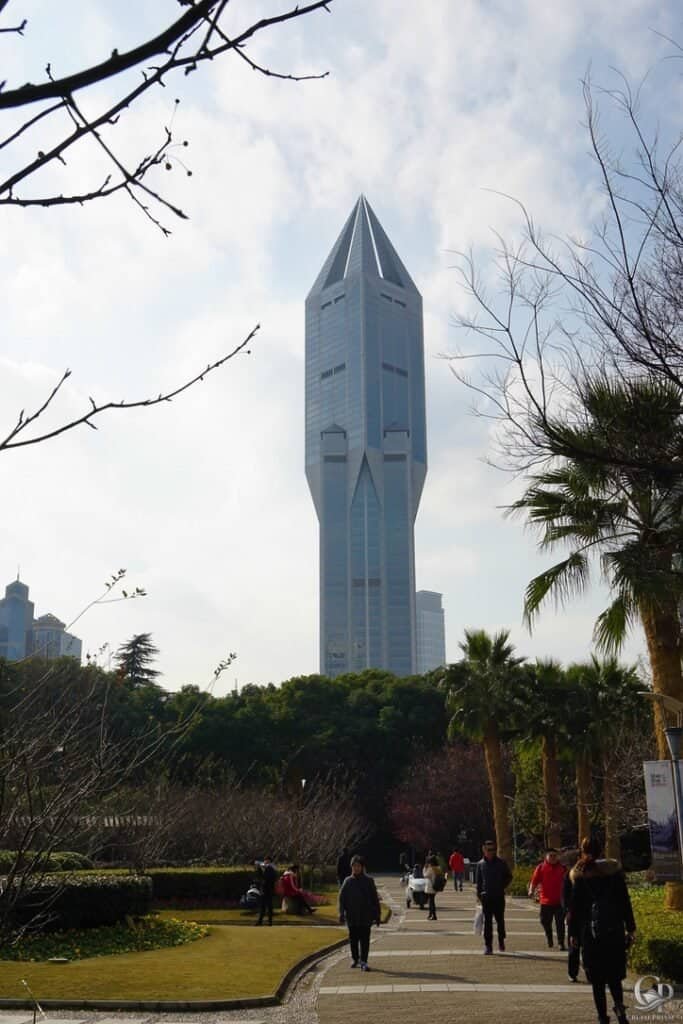
Shanghai feels different from both Tokyo and Hong Kong. While Tokyo impressed me with its organization and efficiency, and Hong Kong stood out because of its dramatic skyline, Shanghai felt larger, busier, and more industrial than either city.
It was also the destination where I noticed air pollution the most during our Asia trip. From our high-rise hotel room, the skyline was undeniably impressive, but there were days when a visible haze hung over parts of the city and softened the views of the surrounding skyscrapers.
Despite that, Shanghai remains an incredibly fascinating destination. The city blends futuristic architecture, massive commercial districts, historic neighborhoods, and centuries-old Chinese culture in a way that few places can match. The contrast between modern development and traditional heritage is part of what makes Shanghai such a memorable place to visit.
Best Things to Do Near the Shanghai Cruise Port
Visit Shanghai Tower
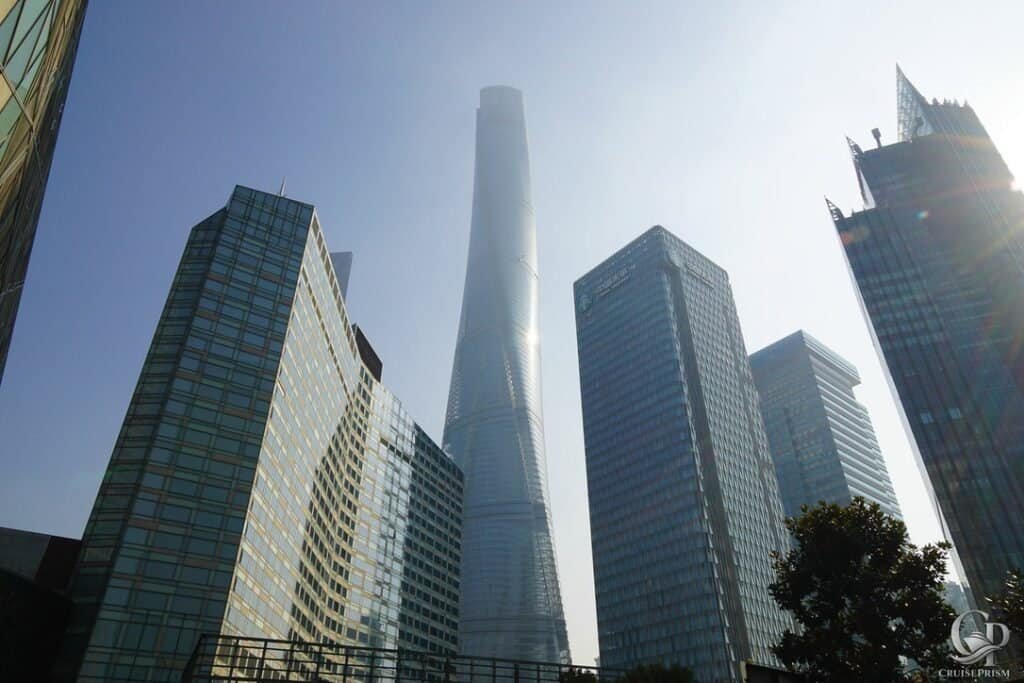
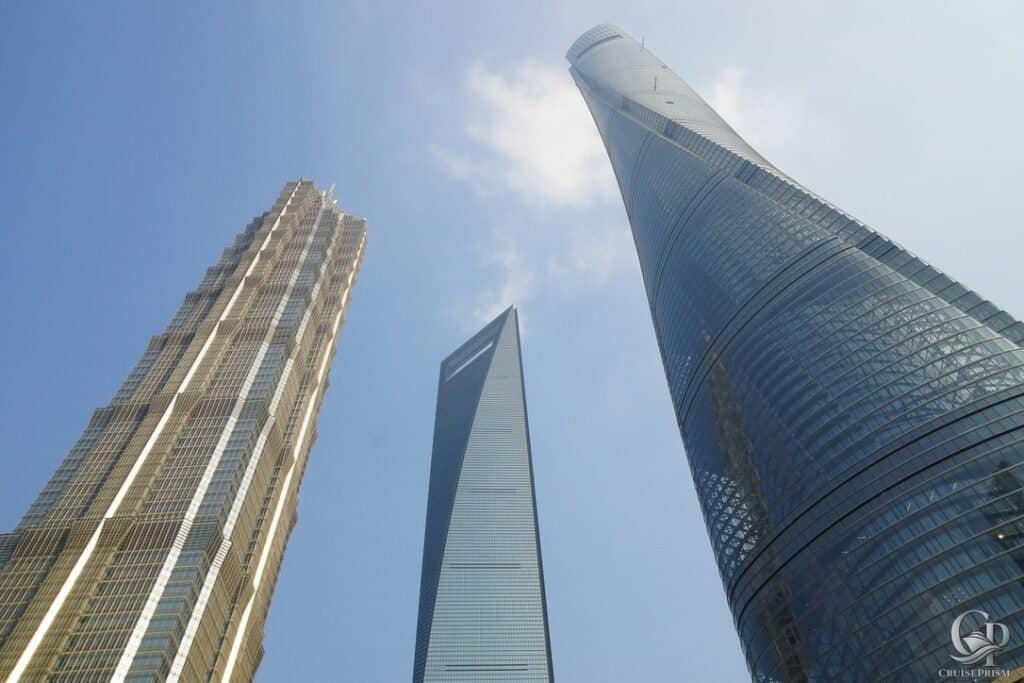
One of the highlights of our trip was visiting Shanghai Tower, the tallest building in China and one of the tallest skyscrapers in the world. Even from street level, the sheer size of the structure is impressive, dominating the surrounding skyline and showcasing the scale of Shanghai’s modern development.
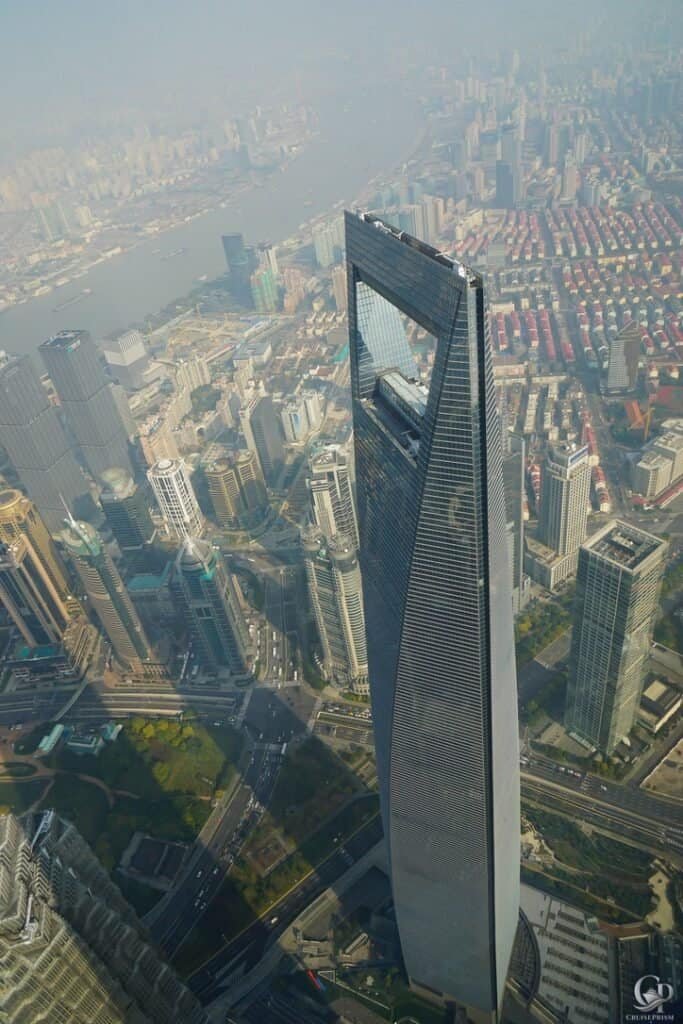
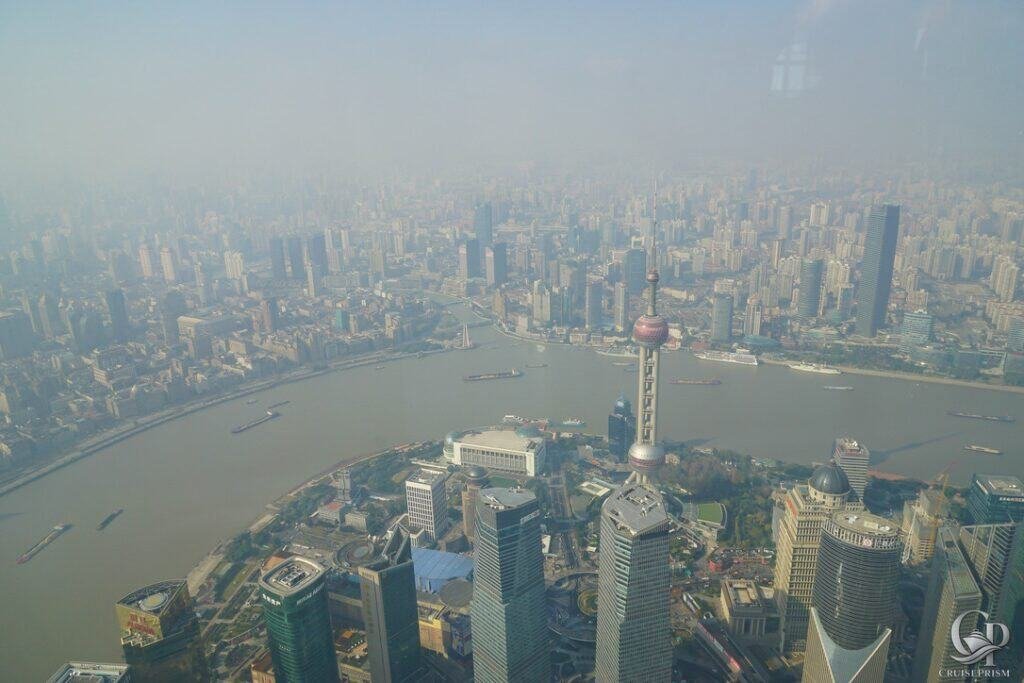
The real experience begins once you head to the observation deck. The high-speed elevator ride is an attraction in itself, and within moments visitors are treated to sweeping panoramic views of the city below. From the top, it’s easier to appreciate just how vast Shanghai truly is, with skyscrapers stretching toward the horizon in nearly every direction.
If you’re visiting Shanghai on a cruise and only have one day to explore, Shanghai Tower deserves a place near the top of your itinerary. Few attractions provide a better introduction to the city’s incredible size, modern architecture, and constantly evolving skyline.
Walk Along The Bund
The Bund is one of Shanghai’s most famous attractions and one of the best places to experience the city’s unique blend of history and modernity. Stretching along the Huangpu River, this waterfront promenade offers spectacular skyline views, historic architecture, excellent photography opportunities, and easy access to many of Shanghai’s most popular attractions.
Walking along The Bund allows visitors to admire a collection of beautifully preserved historic buildings that reflect Shanghai’s importance as an international trading center during the late 19th and early 20th centuries. The wide pedestrian promenade also makes it a pleasant place to explore at any time of day.
What makes The Bund truly special is the contrast across the river. On one side stand the elegant historic buildings of old Shanghai, while on the other rises the futuristic skyline of Pudong, including landmarks such as Shanghai Tower and the Oriental Pearl Tower. The view perfectly captures the city’s remarkable transformation and remains one of the defining images of Shanghai.
Explore Yu Garden
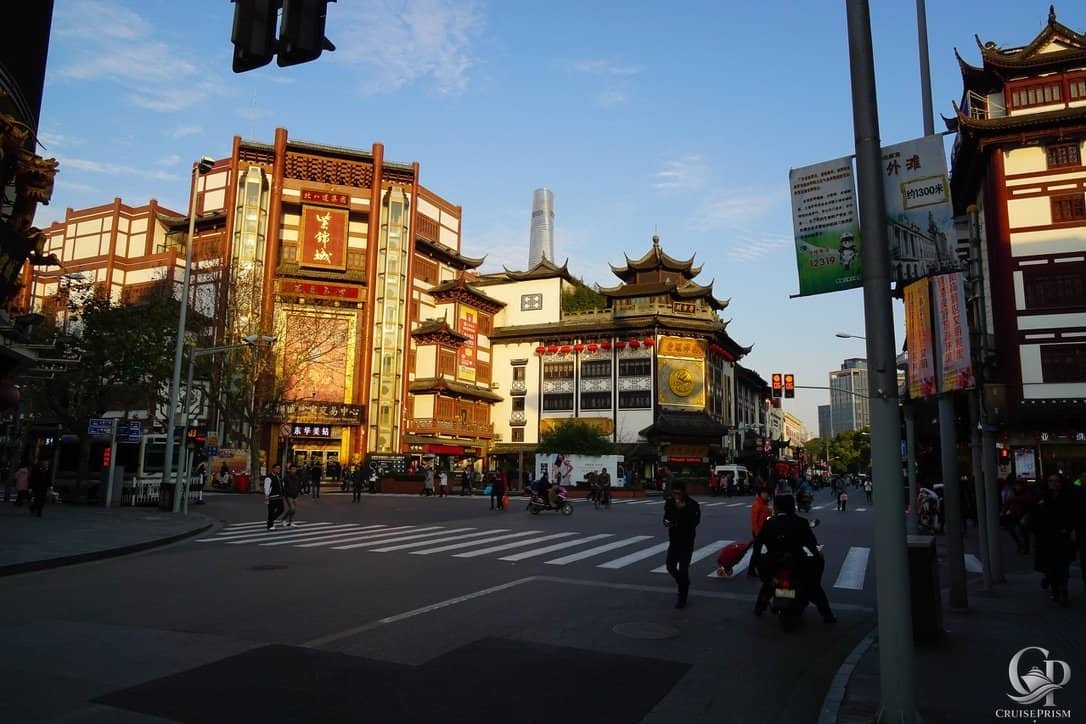
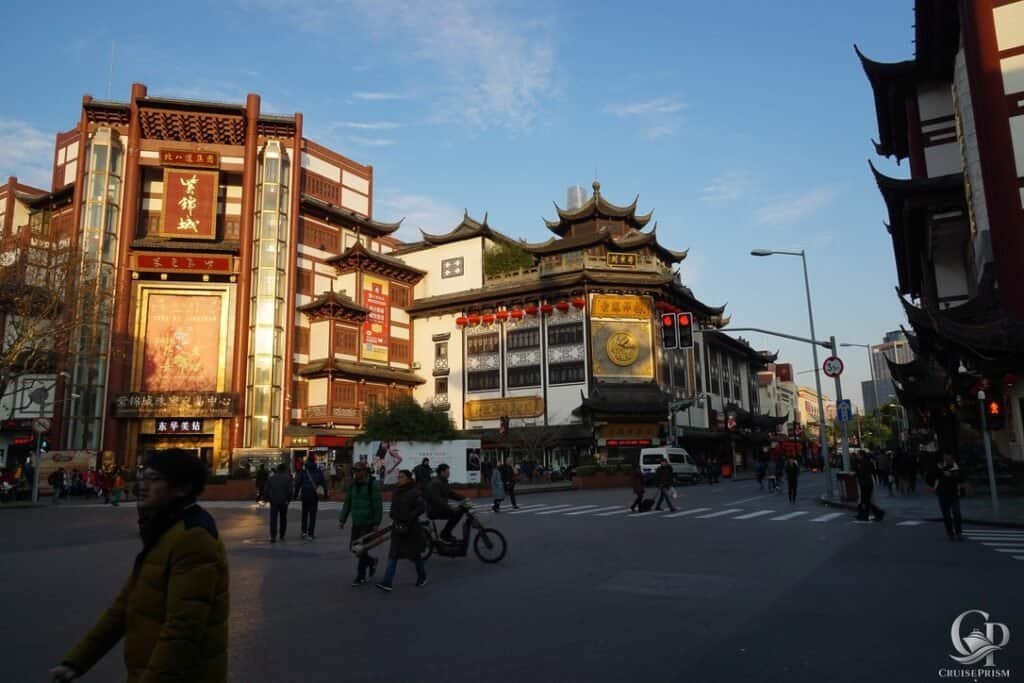
One of the most beautiful places we visited in Shanghai was Yu Garden. Located in the heart of the Old City, this historic attraction feels like stepping back into traditional China and offers a striking contrast to the city’s modern skyscrapers and commercial districts.
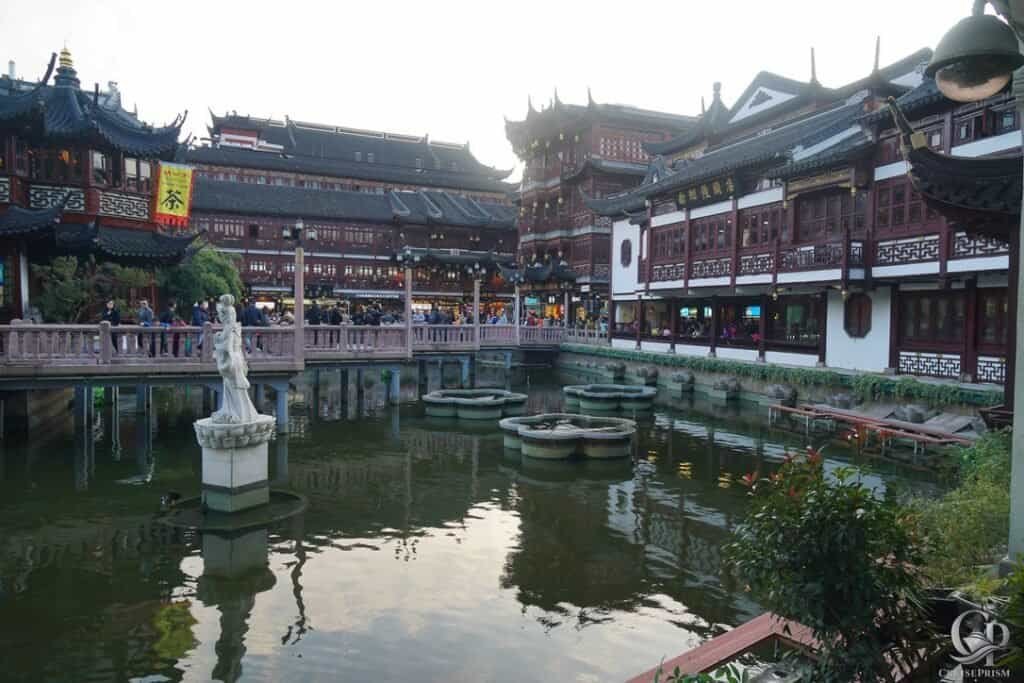
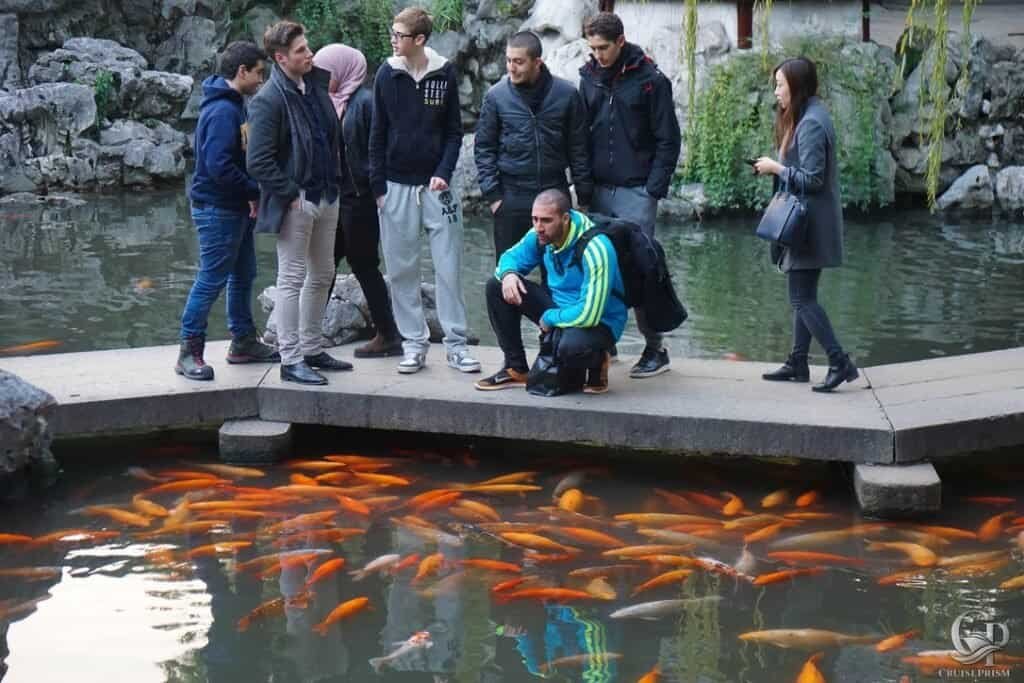
Visitors can explore traditional Chinese architecture, peaceful koi ponds, elegant bridges, pagodas, tea houses, and bustling shopping streets filled with local vendors and cultural souvenirs. Every corner seems to offer another picturesque scene, making it one of the most photogenic areas in Shanghai.
What I enjoyed most was how different the atmosphere felt compared to the rest of the city. While much of Shanghai is defined by its futuristic skyline and rapid development, Yu Garden provides a glimpse into China’s cultural heritage and creates a quieter, more traditional experience that shouldn’t be missed.
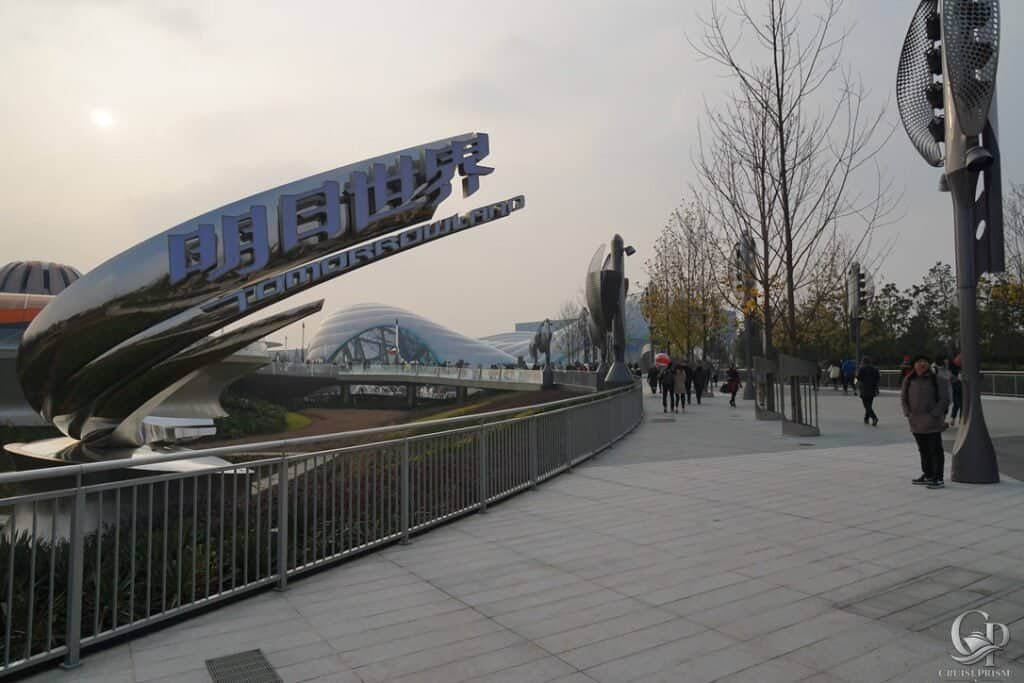
Visit Shanghai Disneyland
One of the most memorable parts of our trip was visiting Shanghai Disneyland. The park is beautiful, modern, and home to several attractions that are unique to Shanghai, making it a worthwhile stop even for visitors who have been to other Disney parks around the world.
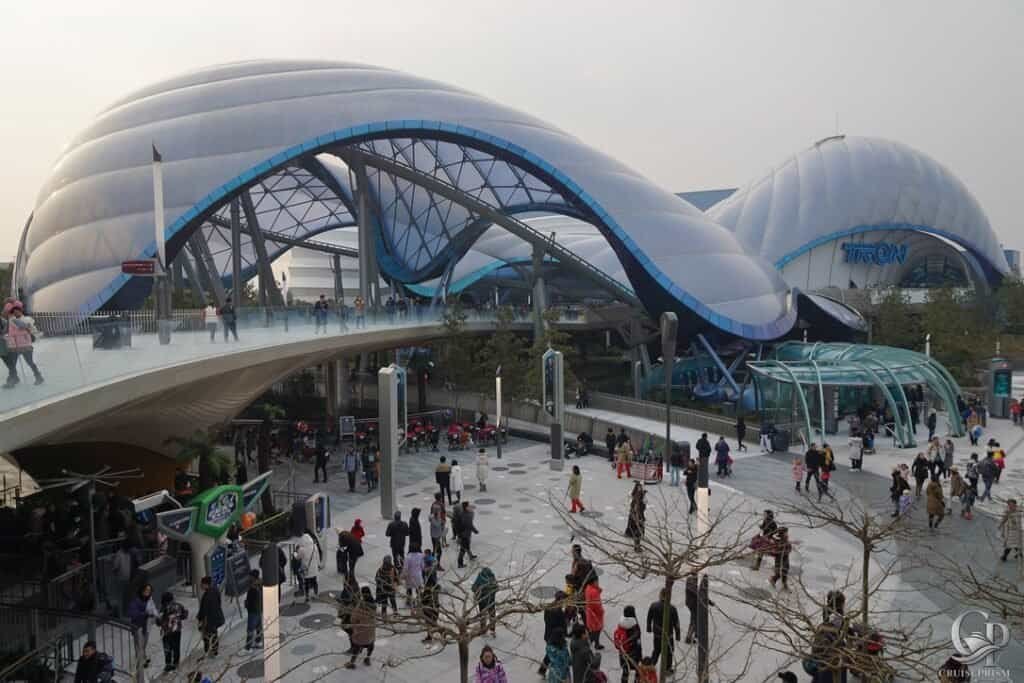
One of the standout experiences was TRON Lightcycle Power Run, which quickly became one of my favorite attractions. The combination of speed, technology, lighting effects, and futuristic design creates a ride experience unlike anything else in the Disney parks.
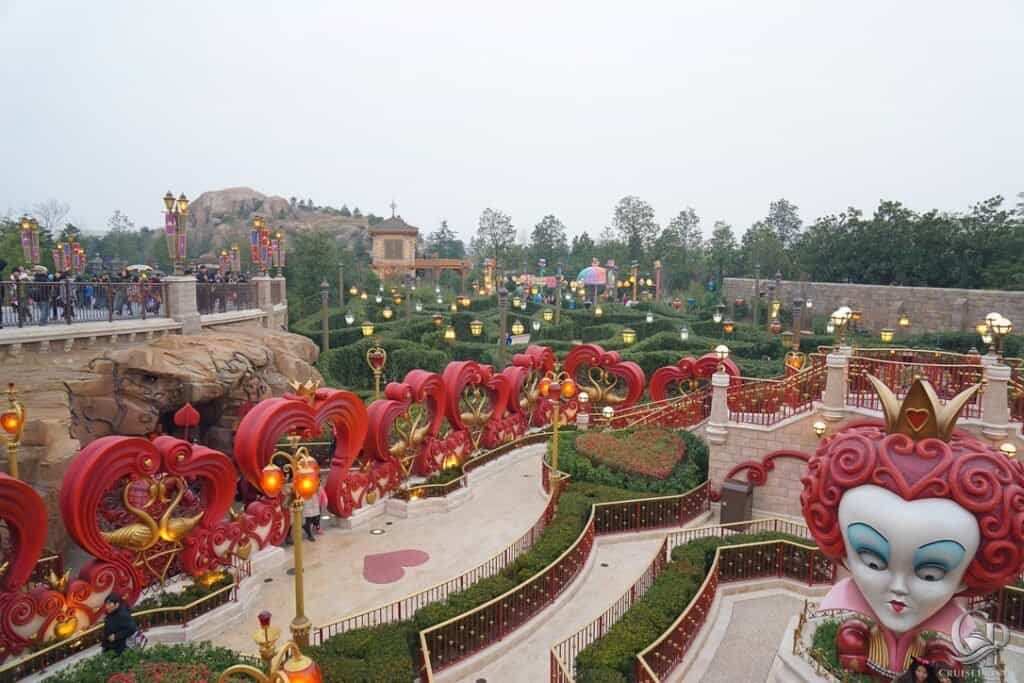
The only downside to our visit was the weather. We were there in January, and the freezing temperatures made spending extended periods outdoors considerably less enjoyable. Even so, the attractions, entertainment, and overall atmosphere more than made up for the cold. Disney fans visiting Shanghai will find plenty to love and may even discover a few experiences they won’t find anywhere else.
Visit Jing’an Temple
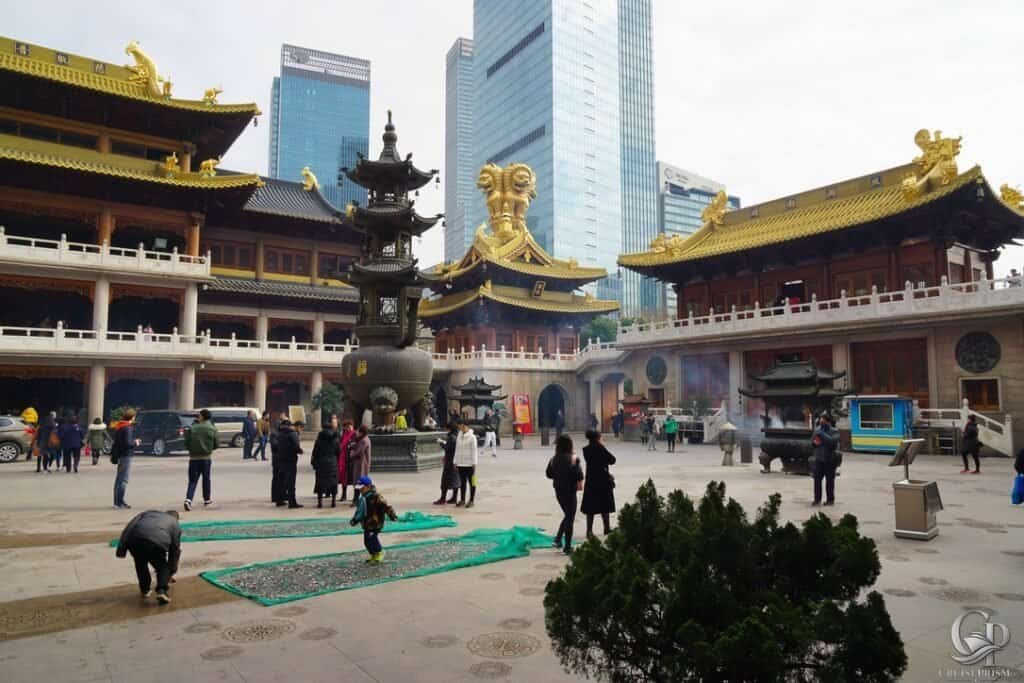
One of Shanghai’s most famous religious landmarks, the Jing’an Temple offers visitors a glimpse into the city’s spiritual and cultural heritage. Despite being located within one of China’s largest and most modern cities, the temple provides a peaceful atmosphere that feels far removed from the busy streets outside.
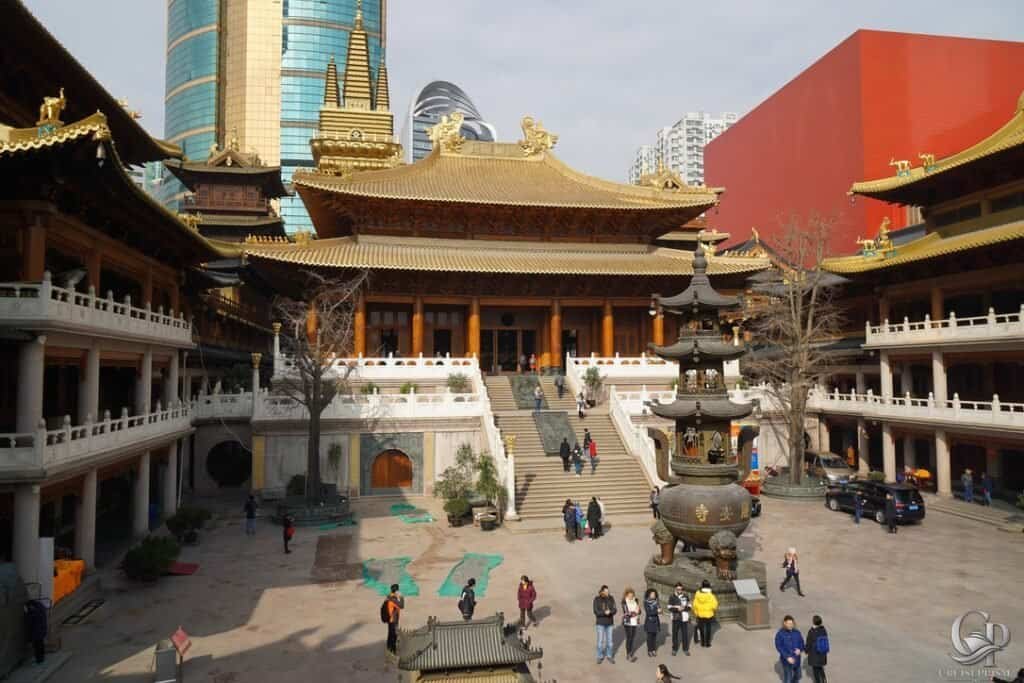
What makes the experience particularly memorable is the contrast between the historic temple grounds and the modern skyscrapers that surround them. The combination of traditional Buddhist architecture and Shanghai’s rapidly evolving skyline creates a fascinating blend of old and new that perfectly reflects the city’s character.
The temple is also one of the easiest religious sites for visitors to access, making it a convenient addition to most Shanghai itineraries. Whether you’re interested in history, architecture, photography, or Chinese culture, the Jade Buddha Temple is well worth a visit.
Explore Pudong
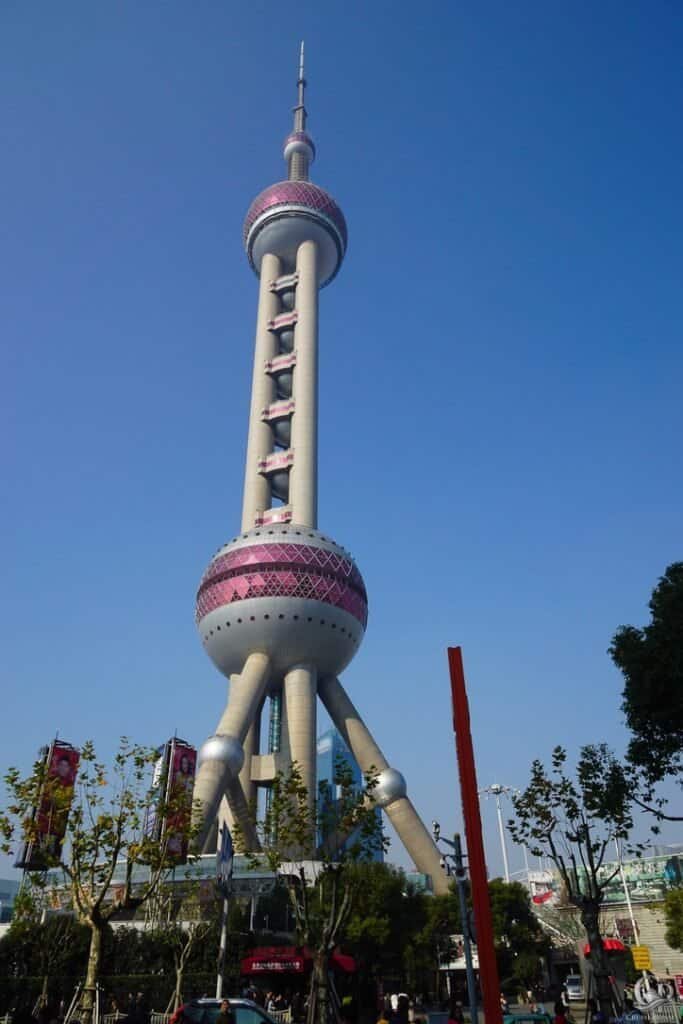
Pudong represents the modern face of Shanghai and is home to many of the city’s most recognizable landmarks. Once largely undeveloped, the district has transformed into one of the world’s most impressive financial centers, filled with towering skyscrapers, luxury hotels, high-end shopping, and some of China’s most ambitious architectural projects.
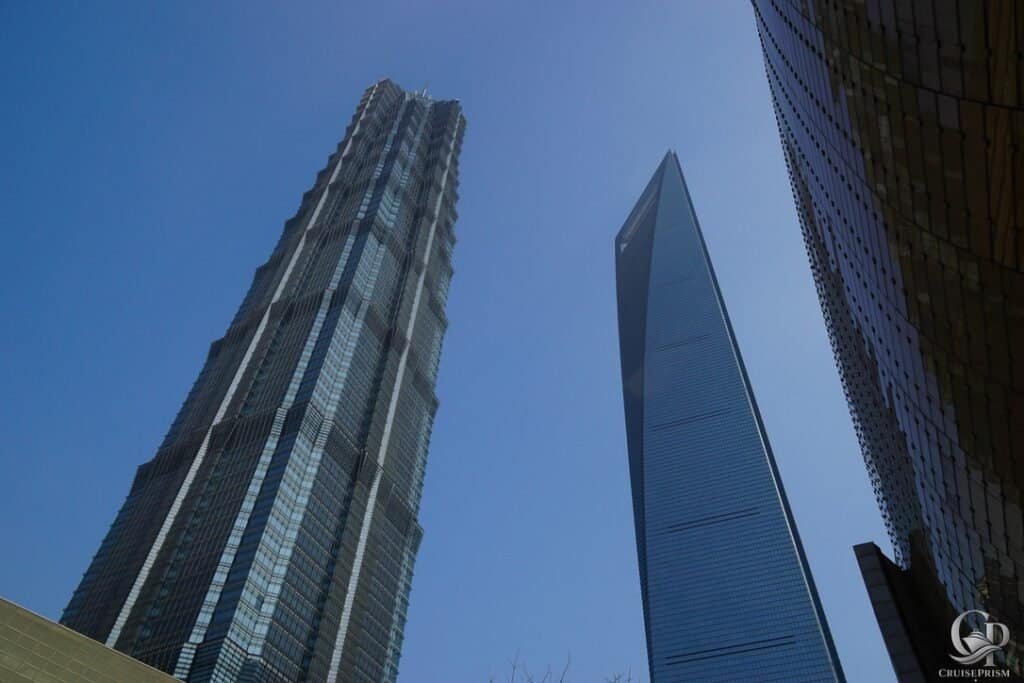
The area is home to iconic structures such as Shanghai Tower, Jin Mao Tower, and the Shanghai World Financial Center, all of which contribute to Shanghai’s instantly recognizable skyline. Walking through Pudong feels like stepping into the future, with modern buildings rising in every direction and showcasing the city’s rapid growth and development.
Many of Shanghai’s most famous skyline photographs are taken from or feature Pudong, making it a must-visit destination for first-time visitors. Whether you’re interested in architecture, photography, shopping, or simply admiring the city’s incredible scale, Pudong offers some of the most impressive urban scenery in China.
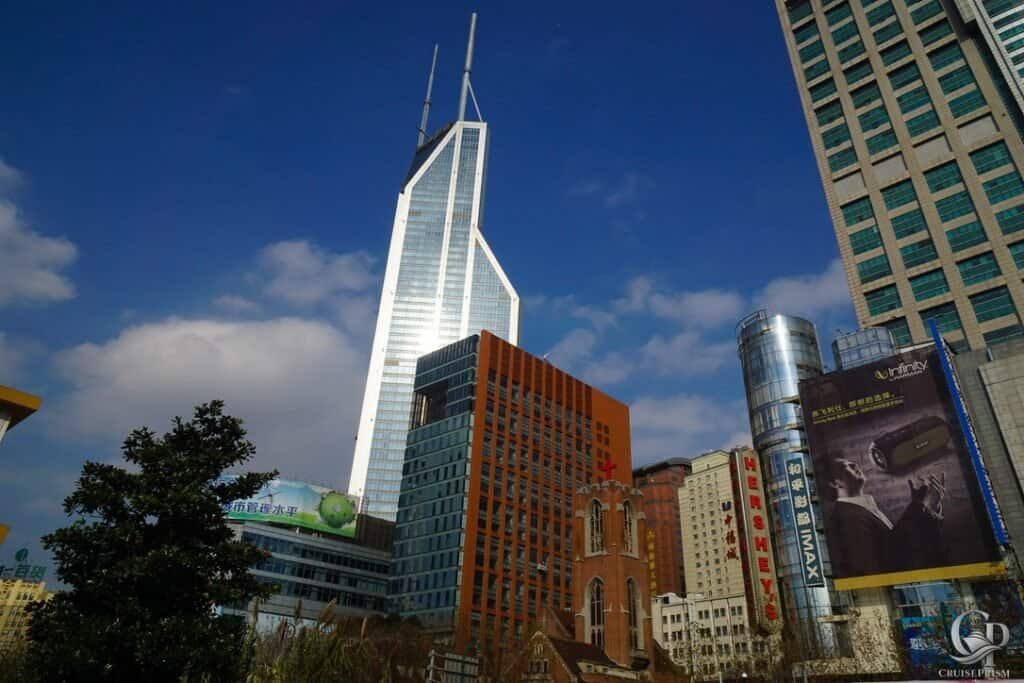
Visit Nanjing Road
Nanjing Road is one of China’s most famous shopping streets and one of the busiest commercial areas in Shanghai. Stretching for several miles through the heart of the city, the street attracts both locals and tourists with its mix of shopping, dining, entertainment, and historic landmarks.
Visitors will find everything from luxury brands and department stores to local shops, restaurants, and street vendors. The area is especially lively in the evening when the buildings illuminate and crowds fill the pedestrian sections of the street.
Even if shopping isn’t your primary interest, Nanjing Road is worth visiting simply to experience the energy of modern Shanghai. The combination of historic architecture, modern development, and constant activity makes it one of the city’s most recognizable destinations.
Shanghai Food You Shouldn’t Miss
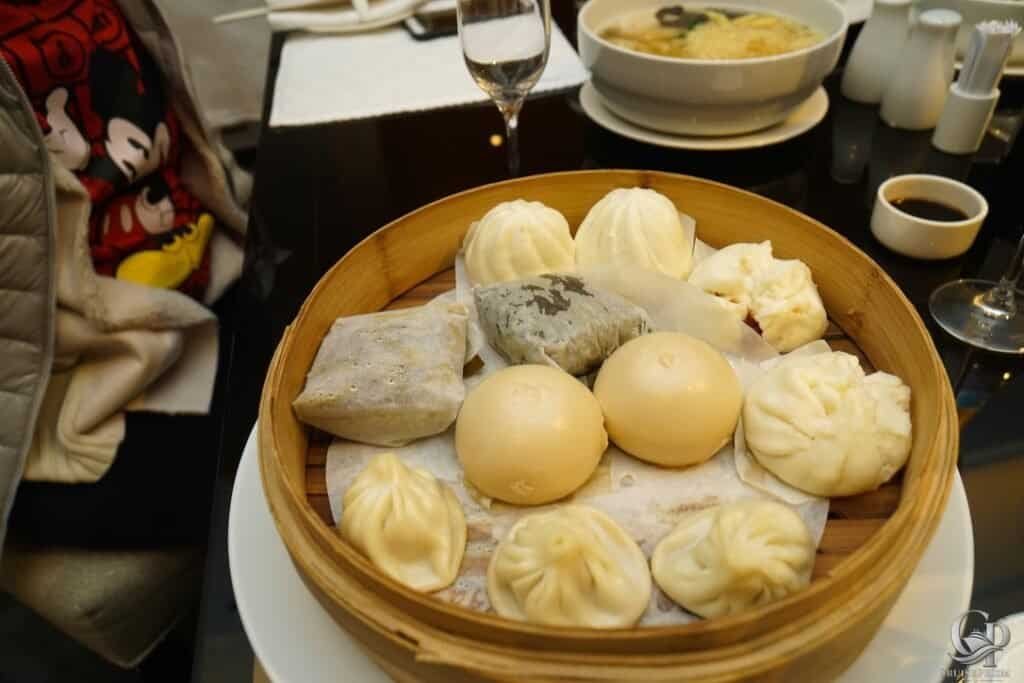
Shanghai is known for its diverse culinary scene and offers some of the best food experiences in China. From traditional restaurants to busy street markets, visitors will find a wide variety of dishes that reflect both the city’s history and its status as an international destination.
One of Shanghai’s most famous specialties is xiaolongbao, the city’s iconic soup dumplings. These delicate dumplings are filled with flavorful broth and meat, making them a must-try for first-time visitors. Another local favorite is Shanghai-style noodles, which are simple, satisfying, and widely available throughout the city.
Street food enthusiasts will also find plenty to enjoy. Markets and food stalls offer opportunities to sample local specialties, snacks, and regional flavors while experiencing a more authentic side of Shanghai. Seafood is another popular option, with fresh fish, shellfish, and other dishes available in restaurants across the city.

The food was one of the highlights of our visit. Whether dining at local restaurants or trying specialties from market vendors, we consistently found the quality to be excellent and the variety impressive. For many travelers, exploring Shanghai’s food scene becomes just as memorable as visiting its famous attractions.
Can You See Shanghai in One Day?
Yes, but you’ll need to prioritize.
If your cruise only gives you one day in port, I recommend:
- Shanghai Tower
- The Bund
- Yu Garden
- Nanjing Road
- Xiaolongbao lunch
This itinerary balances modern Shanghai with traditional Chinese culture.
My Personal Experience
Shanghai left me with mixed—but ultimately very positive—impressions. The city is undeniably impressive, with an incredible skyline, excellent food, and beautiful historic neighborhoods that showcase China’s rich cultural heritage.
At the same time, it was the most polluted of the three major Asian cities I visited during that trip. Looking out from our hotel room, the haze was often noticeable and occasionally softened the otherwise spectacular views of the skyline.
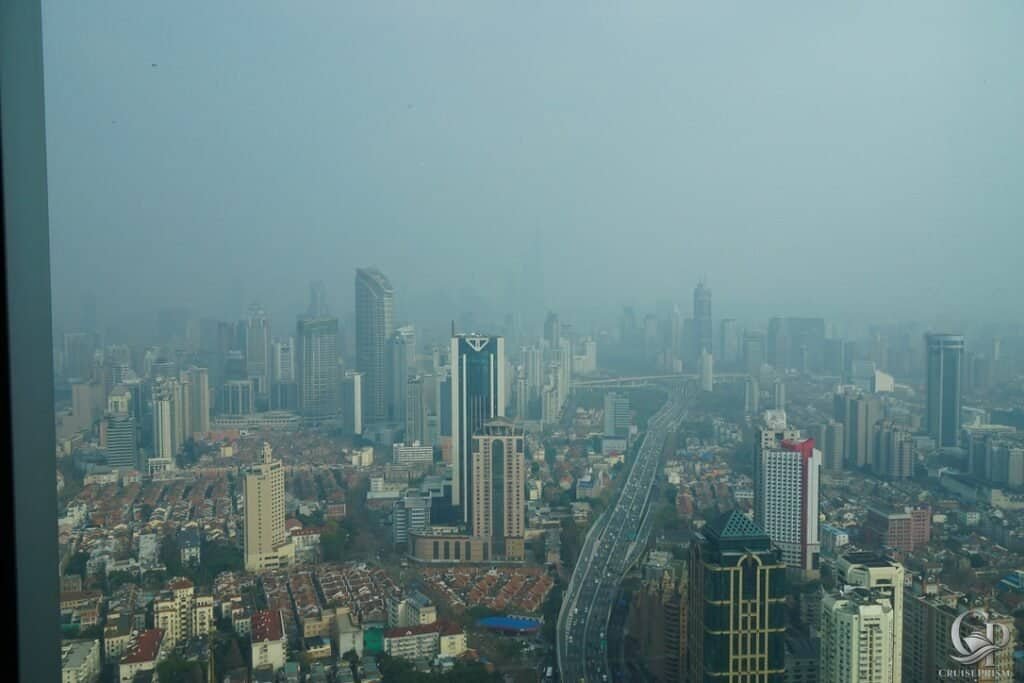
Yet despite that, Shanghai remained endlessly fascinating because there always seemed to be something interesting waiting around the next corner. One moment you’re exploring a centuries-old garden filled with koi ponds, traditional architecture, and quiet pathways. The next, you’re standing beneath some of the tallest skyscrapers on Earth, surrounded by one of the world’s most modern urban landscapes.
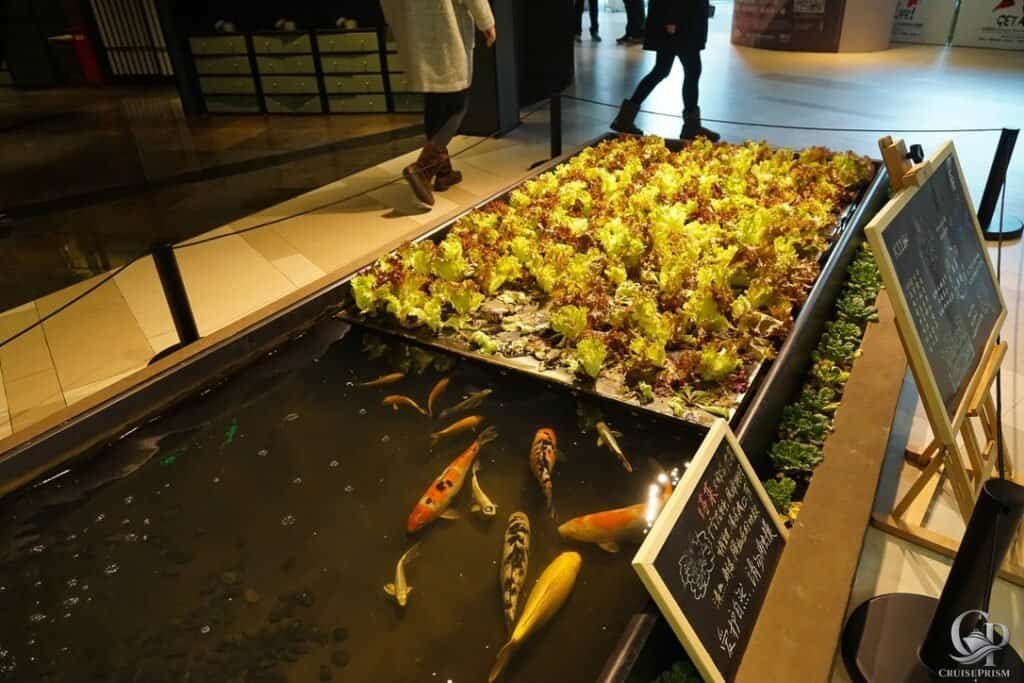
That contrast is what I remember most about Shanghai. Few cities blend ancient traditions and futuristic development so seamlessly, creating a destination that feels both deeply rooted in history and focused on the future at the same time.

Final Verdict
Shanghai combines modern architecture, traditional Chinese culture, excellent food, world-class shopping, and one of the busiest cruise ports in Asia. From futuristic skyscrapers in Pudong to historic gardens, temples, and traditional neighborhoods, the city offers an impressive variety of experiences that appeal to many different types of travelers.
While first-time visitors to China often focus on Beijing, Shanghai provides an excellent introduction to the country’s modern side while still offering plenty of opportunities to explore its cultural heritage. The combination of historic landmarks, contemporary development, and outstanding dining makes it one of the most accessible and rewarding destinations in China.
Whether you’re visiting for a single day during a cruise or spending several nights before embarkation, Shanghai offers more than enough attractions to fill your itinerary. The city’s unique blend of old and new creates an experience that is both fascinating and memorable, making it one of Asia’s most compelling urban destinations.
Before You Book
If you’re planning your cruise, check out:
- Cruise Tips (to help you make the most of your time)
- Our full cruise ship reviews (what the experience is really like onboard)
- Cruise menus and drink guides (what you’ll actually pay onboard)