Havana, Cuba Cruise Port Guide: One of the Most Unique Places We’ve Ever Visited
Important Note About Visiting Cuba
Cruise ships no longer regularly visit Havana due to U.S. restrictions on cruise travel to Cuba. This guide is based on my visit aboard Norwegian Sky during the brief period when cruise travel to Cuba was permitted and reflects our experience exploring the city at that time.
Introduction
I’ve visited cruise ports with incredible beaches, beautiful scenery, and world-class attractions.
Then there was Havana.
Years later, it remains one of the most memorable places my mom and I have ever visited together.
What made it special wasn’t a single attraction or excursion. It was the feeling of being somewhere completely different from every other Caribbean destination we had visited. The architecture, the history, the music, the classic cars, and the atmosphere all combined to create an experience that felt unlike anything else in the region.
Before arriving, my mom kept preparing me for a city filled with crumbling buildings and visible decay. She had visited Havana roughly fifteen years earlier and expected much of the city to look the same. Instead, both of us were surprised by how much restoration had taken place. Historic buildings were being repaired, public spaces looked well maintained, and the city felt far more vibrant than either of us expected.
If I had to compare Havana to another destination, I honestly wouldn’t compare it to the Caribbean at all.
In many ways, it felt closer to Europe than to a typical Caribbean cruise port.
Quick Verdict
Best For
- History lovers
- Architecture enthusiasts
- Photographers
- Independent explorers
- Cultural travel
- Classic car fans
Not Ideal For
- Beach-focused travelers
- Luxury resort seekers
- Travelers wanting a traditional Caribbean experience
- Visitors looking for a quick beach day
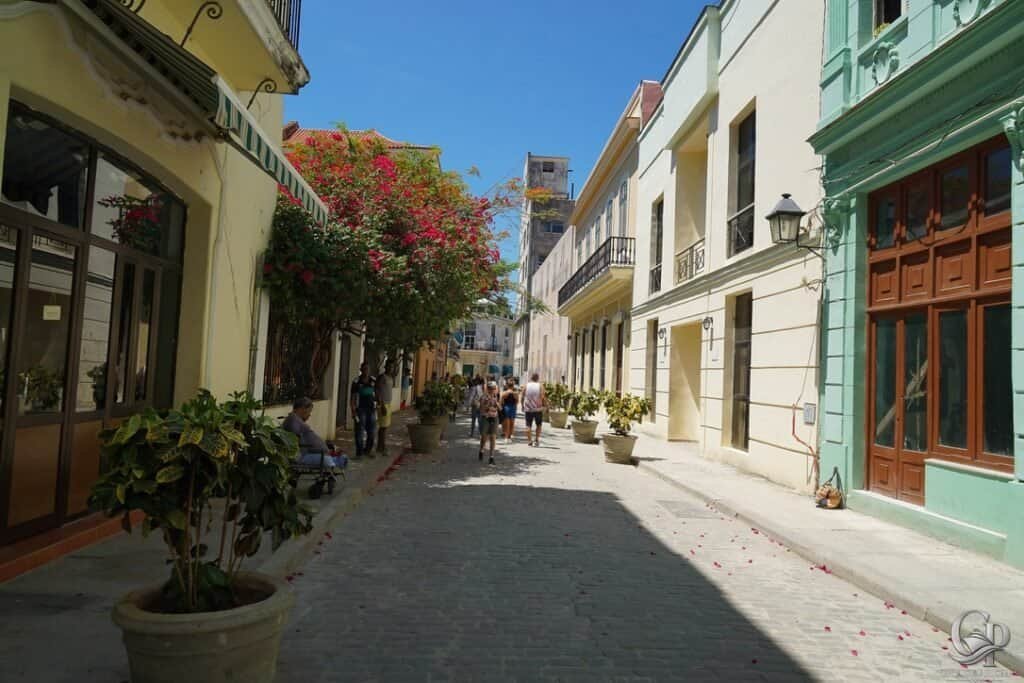
Why Havana Is Famous
Havana is Cuba’s capital and one of the most historically significant cities in the Caribbean. Founded in the early 1500s, it became an important Spanish colonial port and a key gateway between Europe and the Americas. Today, the city is famous for its colorful architecture, classic American cars, vibrant music scene, historic plazas, and rich cultural heritage.
For cruise passengers, Havana offered something very different from the typical Caribbean port experience. Instead of focusing on beaches and resort-style attractions, the city was about history, culture, food, architecture, and everyday life. Walking through Havana felt less like visiting a tourist destination and more like stepping into a living museum where centuries of history existed alongside modern life.
Even people with little interest in history often found themselves impressed by the city’s atmosphere. Between the grand colonial buildings, oceanfront Malecón, lively streets, and unmistakable Cuban character, Havana left an impression that was difficult to find anywhere else in the Caribbean.
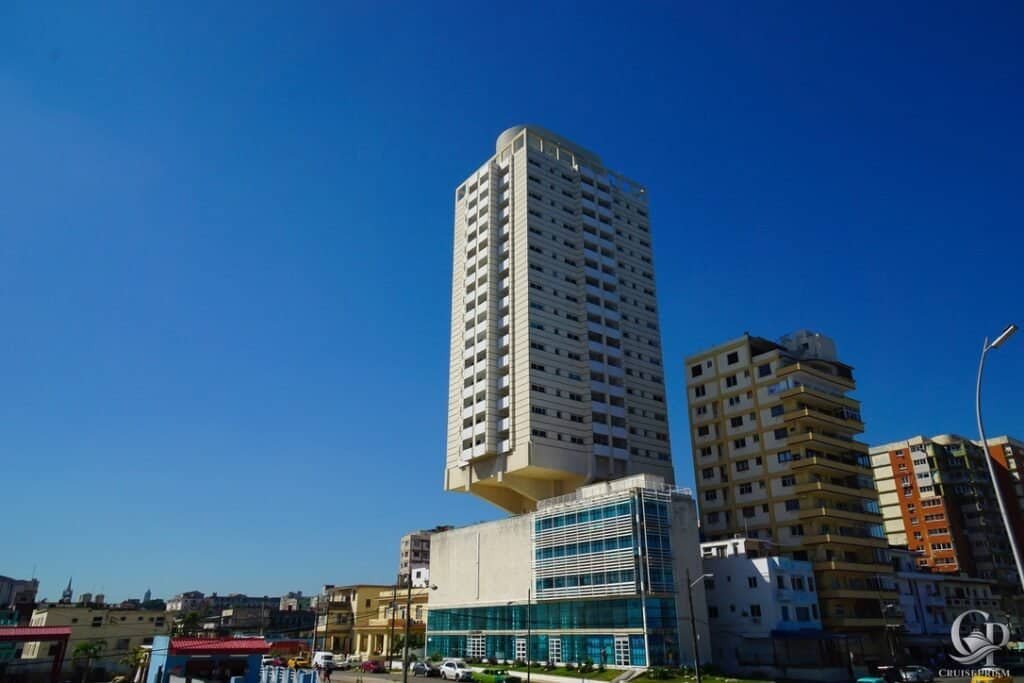
First Impressions of Havana
The first thing that struck me wasn’t the cars.
It wasn’t the music.
It wasn’t even the famous architecture.
It was how relaxed everything felt.
One thing I expected was to be constantly approached by vendors and tour operators. That’s common in many cruise ports throughout the Caribbean. Instead, I found the exact opposite.
Outside the port, there were surprisingly few people aggressively selling tours or souvenirs. Compared to places like Nassau, it was night and day. The taxi drivers waited across the street, tour operators were present, but nobody was constantly pressuring us.
It immediately made the city feel more comfortable to explore.
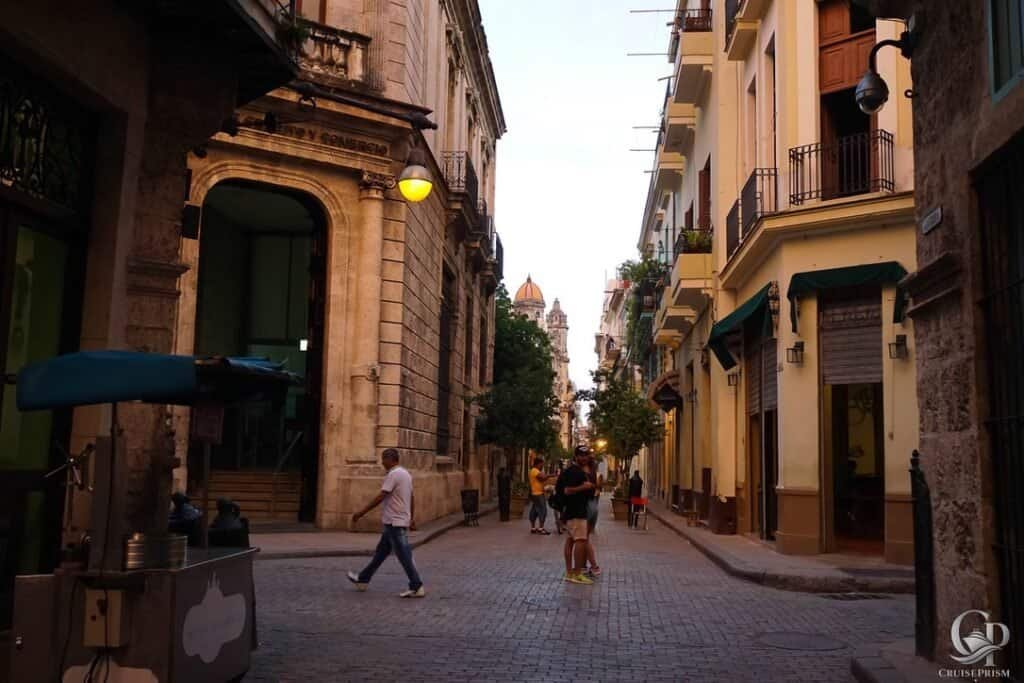
Havana Feels More European Than Caribbean
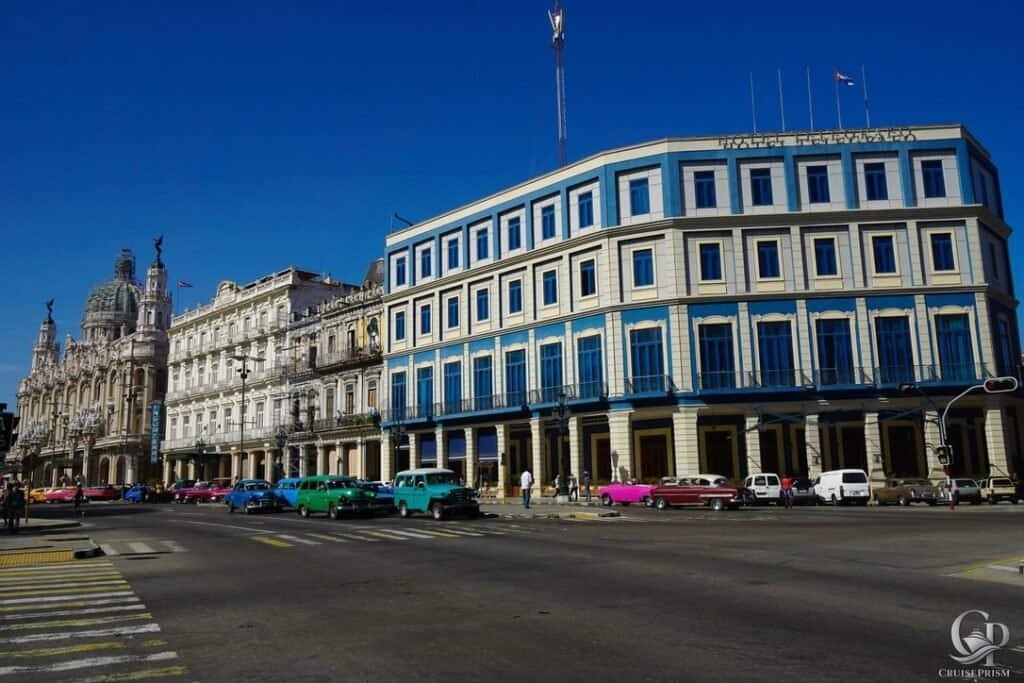
One of the things that surprised me most was the architecture.
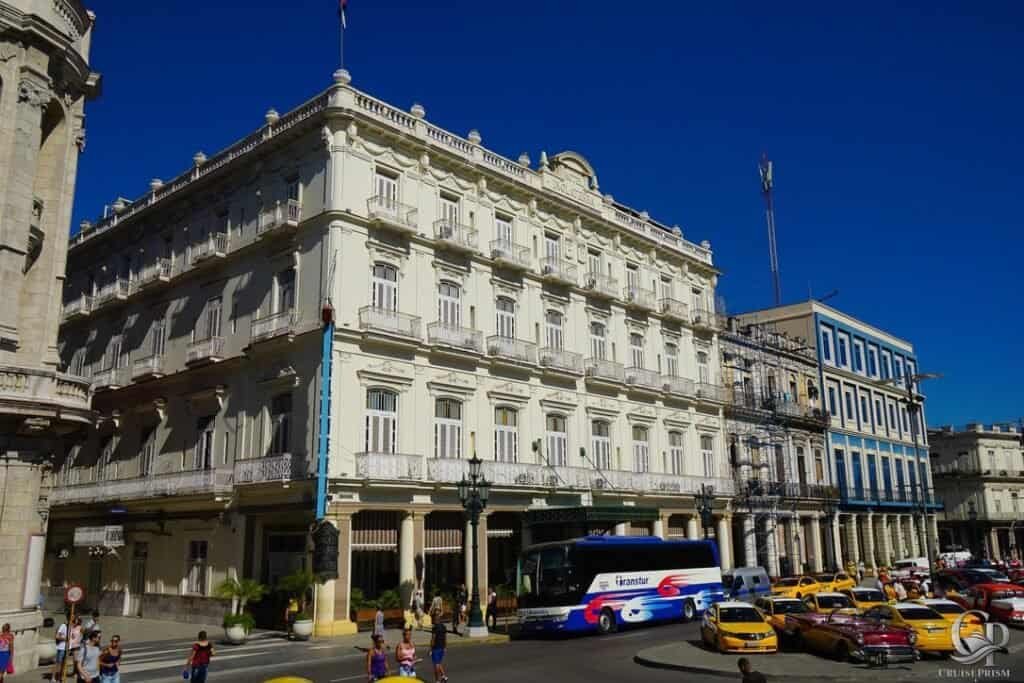
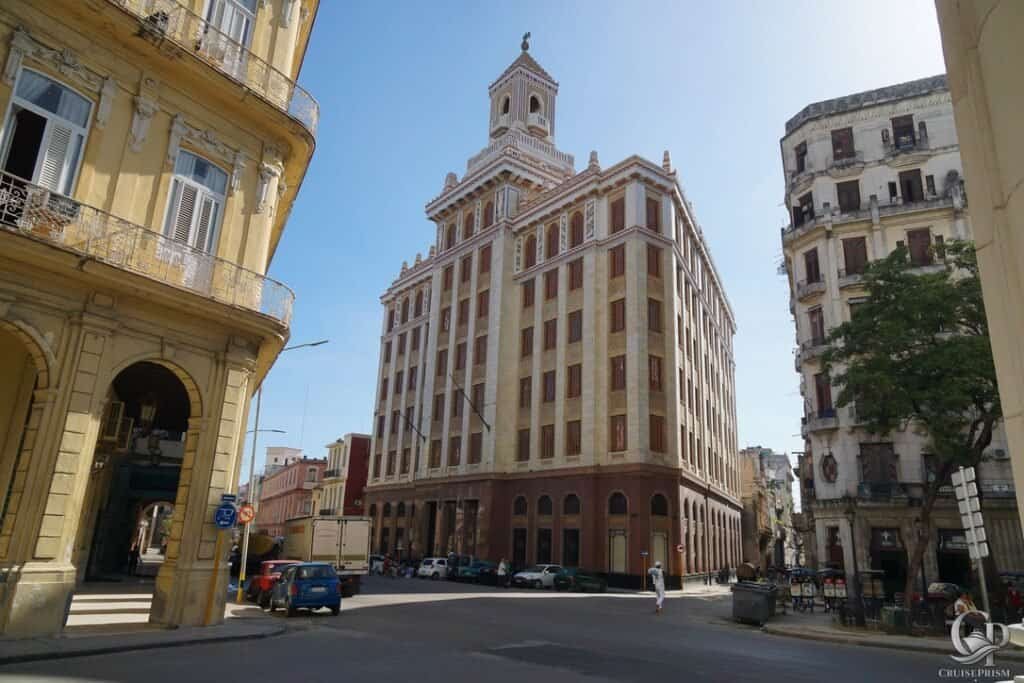
Walking through Havana, I found myself constantly looking up at buildings rather than out toward the water. Grand facades, historic churches, balconies, plazas, government buildings, and beautifully restored structures seemed to be everywhere.
My mom couldn’t stop talking about how different the city looked compared to her previous visit. Locals told us that extensive restoration work had taken place throughout many parts of Havana over the years, and it showed.
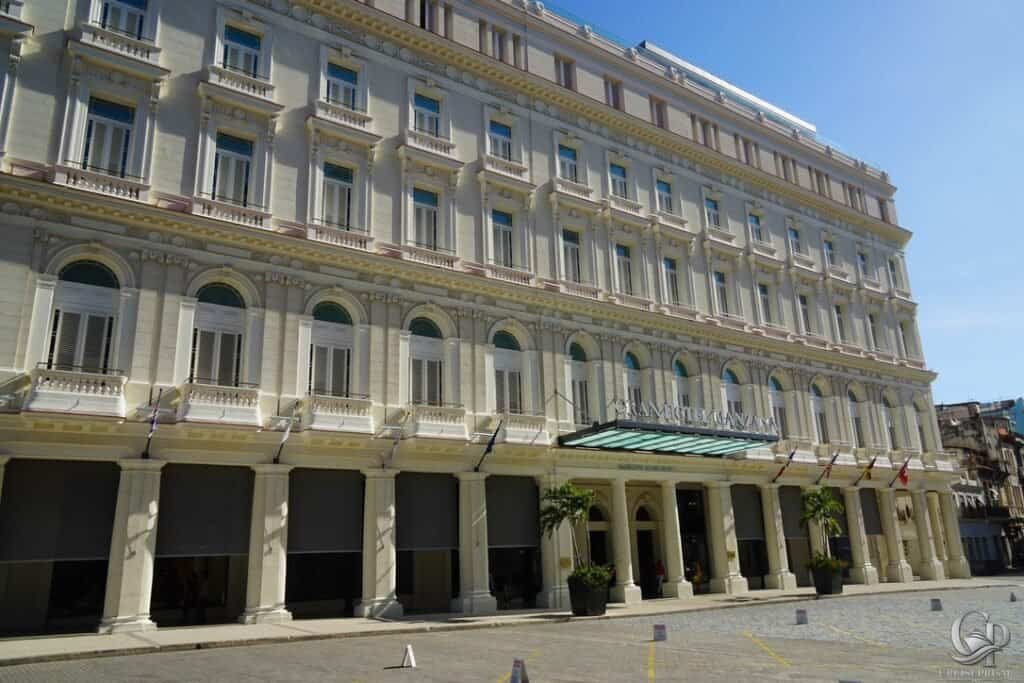
The city felt elegant, historic, and a little weathered, but in a way that added to its character rather than detracted from it. Everywhere we looked there seemed to be another impressive building, plaza, church, or architectural detail worth stopping to admire.
Quite honestly, I don’t think any other Caribbean cruise port compares when it comes to architecture. The closest comparison I can think of is San Juan, but even that felt very different.
The Best Excursion We Found: The Double-Decker Bus
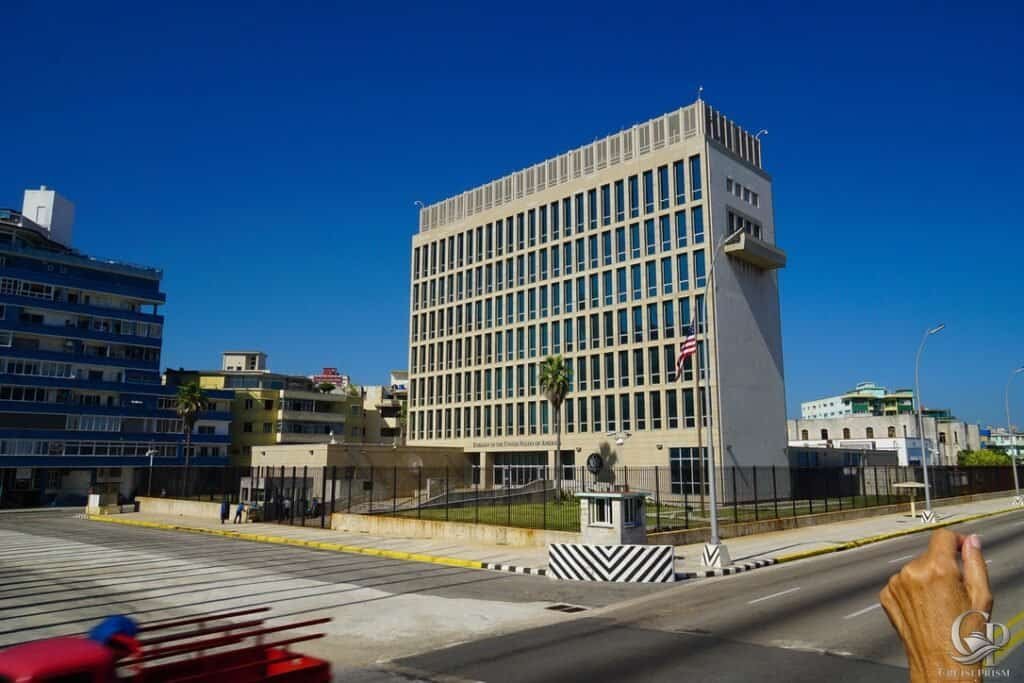
One of the smartest decisions we made in Havana was taking the city’s double-decker sightseeing bus.
At the time, many cruise line excursions were charging significantly more for city tours, while the sightseeing bus offered a much more affordable way to see the city.
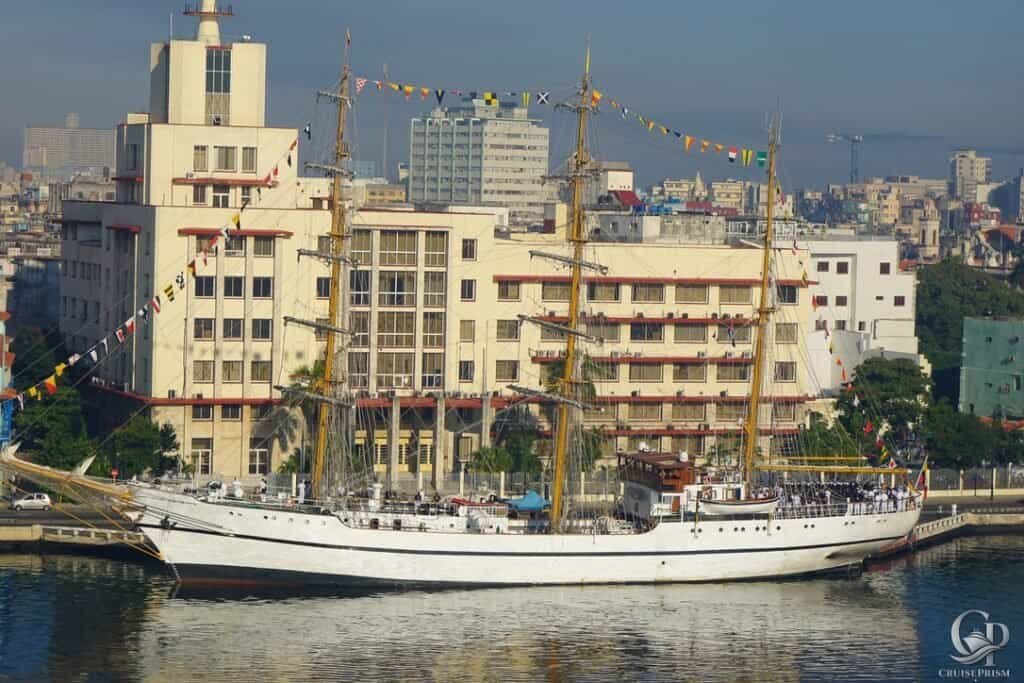
The bus departs just steps from the cruise terminal, making it incredibly easy to find.
The ride takes a little over two hours if you stay onboard for the full loop, and that’s exactly what we did.
My biggest advice?
Bring water.
Lots of water.
And visit the restroom before boarding.
The views are fantastic, but the Cuban heat can catch up to you quickly, especially when you’re sitting on the open upper deck.
For us, it ended up being one of the best values of the entire trip.
The Malecón
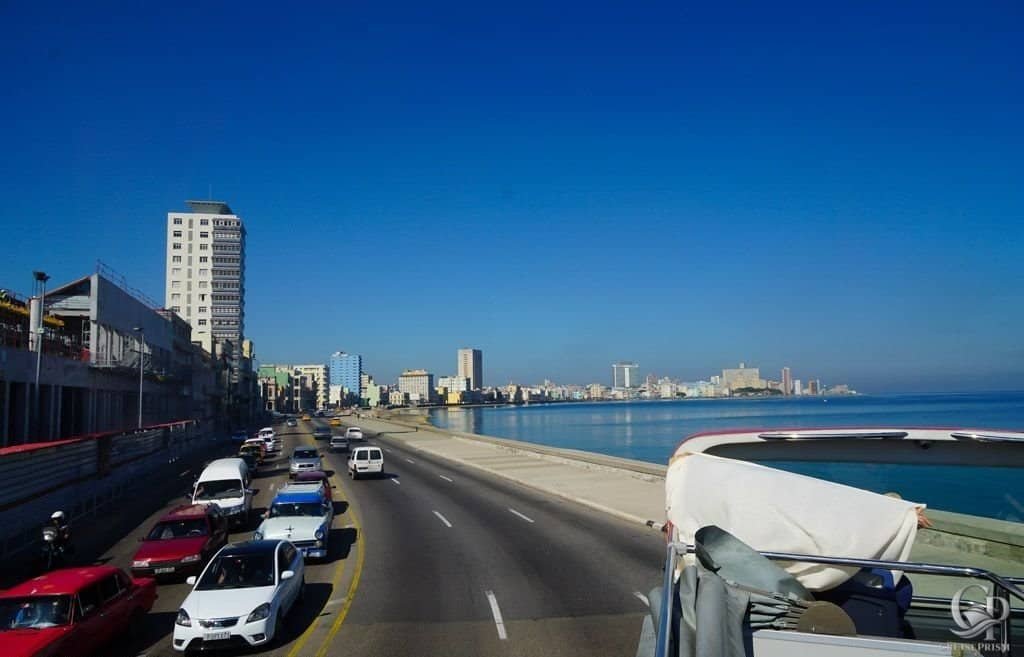
One of the highlights of the bus tour was seeing the Malecón.
This famous waterfront boulevard stretches along the coastline and serves as one of Havana’s most iconic gathering places. Locals fish there, socialize there, and spend evenings enjoying the ocean breeze.
Watching the waves crash against the seawall while classic American cars rolled past was one of those moments that felt almost cinematic.
It was exactly the kind of scene I had imagined before visiting Cuba.
The Classic Cars Are Everywhere
Before visiting Cuba, one of the images I associated most with Havana was the classic American cars.
Part of me wondered whether that reputation had been exaggerated for tourists.
It wasn’t.
They were everywhere.
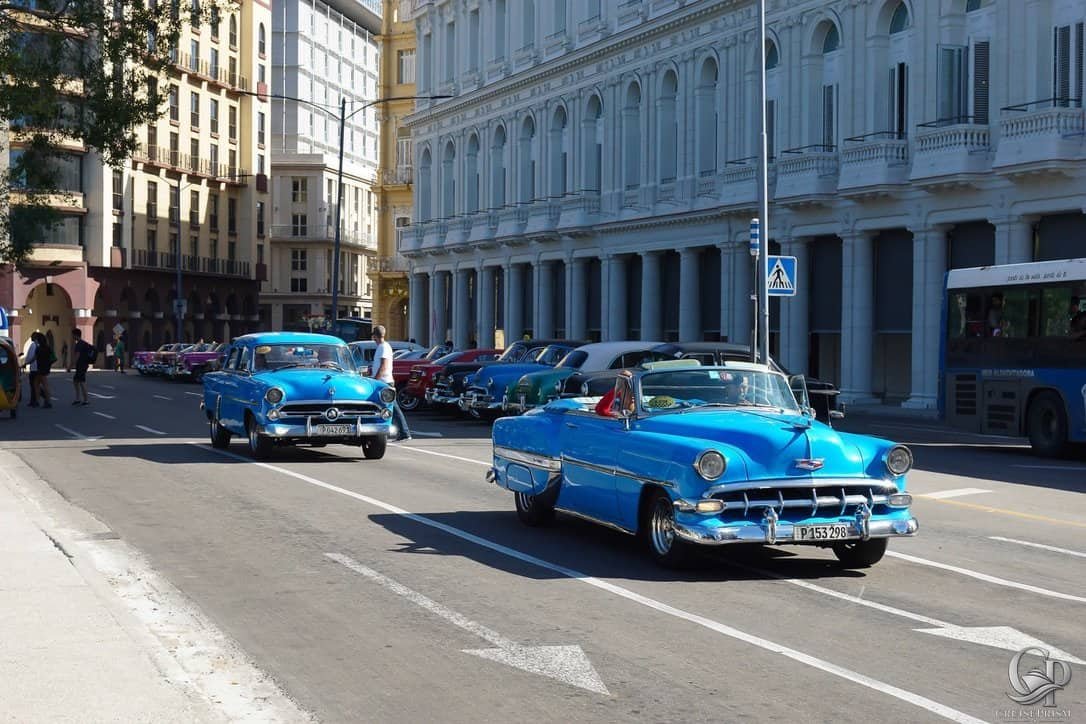
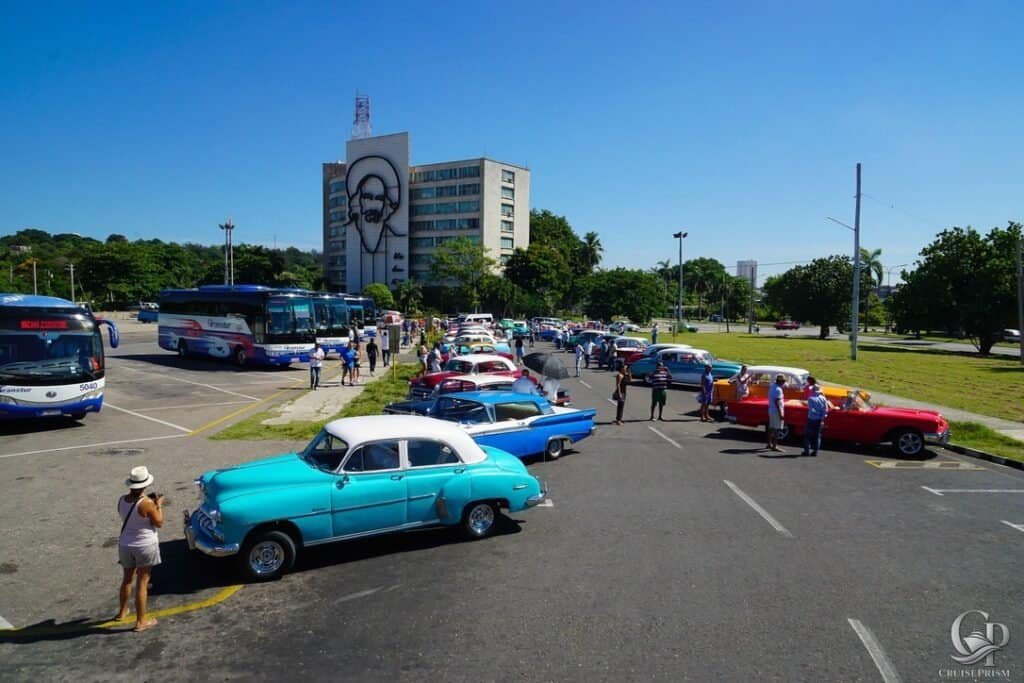
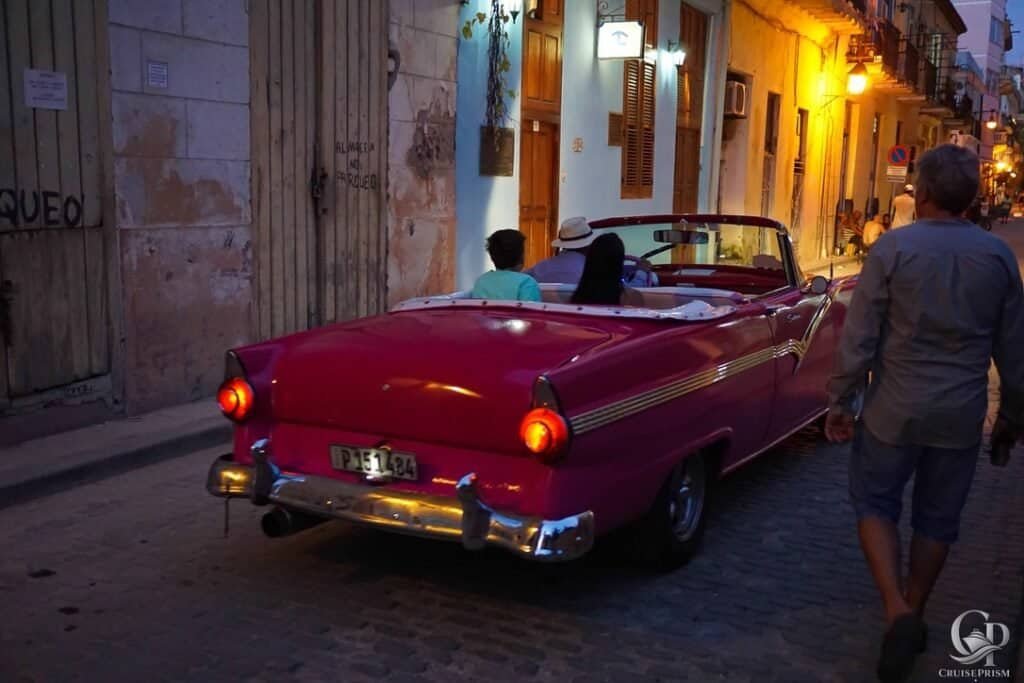
Throughout the city we saw brightly colored Chevrolets, Fords, Buicks, and other vintage cars cruising through the streets as if time had simply stopped decades ago. Some looked beautifully restored while others showed their age, but together they created an atmosphere unlike any other place I’ve visited.
What surprised me most was that many weren’t simply parked for photographs or operating as tourist attractions. They were being used by locals as everyday transportation. Seeing them mixed in with modern vehicles made the city feel frozen between different eras.
For photographers, classic car enthusiasts, or anyone who appreciates unique destinations, the cars alone are worth seeing. They became one of the defining images of Havana and one of the things I remember most clearly from our visit.
Revolution Square
The bus also passed through Revolution Square, one of the most historically significant locations in Cuba.
Whether you’re interested in politics or not, it’s impossible to ignore the historical importance of the area. This was where major speeches, national gatherings, and visits from world leaders took place over the years.
The square itself is enormous, and even seeing it from the bus gave a sense of its scale.
The Church Near the Port
One of my favorite surprises wasn’t listed in any guidebook.
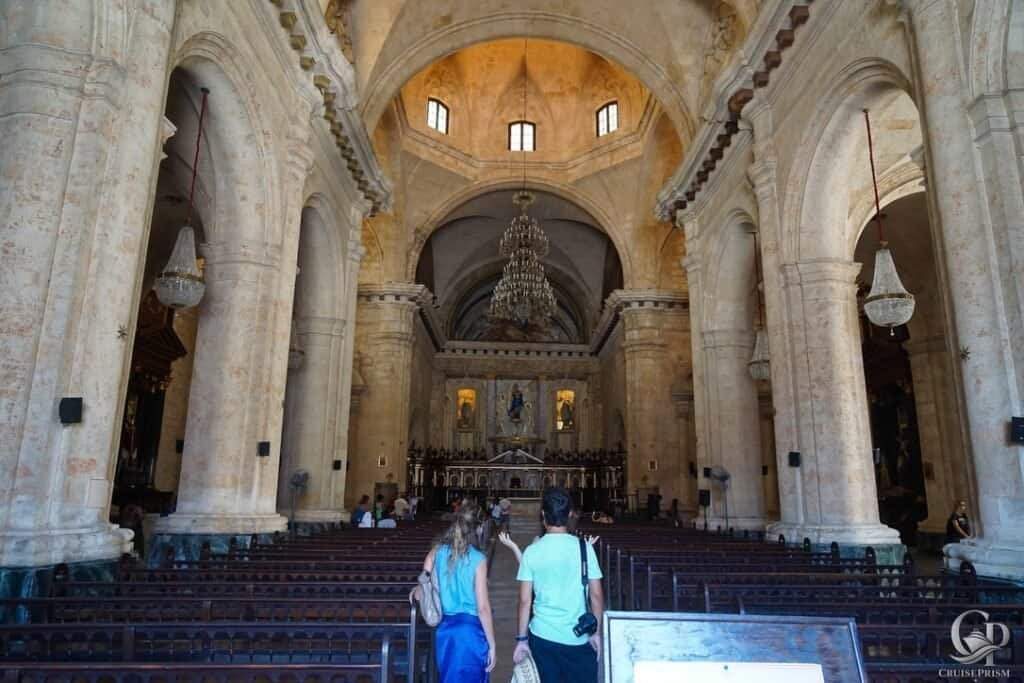
Near the cruise terminal sits a massive historic church and former monastery that now functions primarily as a museum.
While much of the complex is no longer operated as a church, a small chapel remains active within the building. My mom was thrilled when we found it because she collects nativity scenes and religious souvenirs during many of our travels.
The chapel itself happened to be closed during our visit, but the souvenir area was still open, and my mom ended up finding a few items she was excited to bring home.
It became one of those small, unexpected moments that ended up making the day more memorable.
Walking Through Old Havana
While the sightseeing bus gave us a great overview of the city, some of my favorite moments happened simply walking through Old Havana.
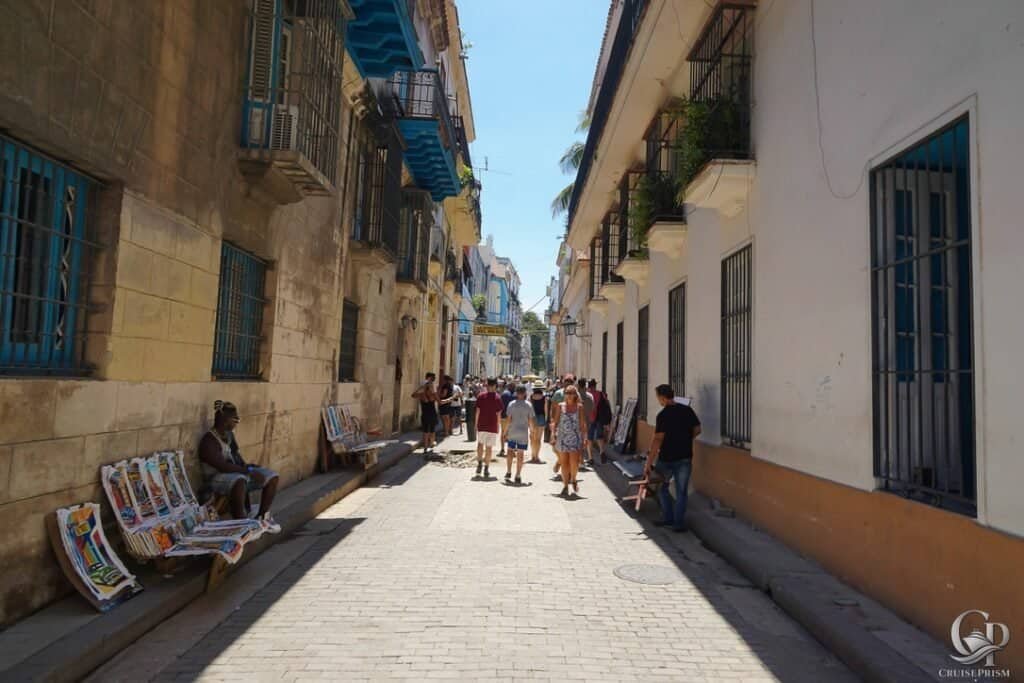
The area is filled with narrow streets, colorful buildings, balconies, plazas, churches, and small businesses tucked into historic structures. Everywhere I looked there seemed to be another interesting doorway, another building worth photographing, or another street that made me curious about what was around the next corner.
What I enjoyed most was that Havana felt alive. Music drifted out of restaurants and open windows, locals gathered in public squares, and daily life unfolded around us as we explored. It never felt like a city created for tourists. It felt like a real place where people happened to live, work, and socialize.
That’s one of the reasons Havana stayed with me long after the cruise ended. The famous landmarks were impressive, but it was the atmosphere of the city itself that made the biggest impression.
The People
One thing that stood out throughout our visit was how welcoming people were.
Before arriving, I expected far more pressure from vendors and tour operators than we actually experienced. Instead, most interactions felt relaxed and genuine. Whether we were asking for directions, browsing shops, or simply walking through the city, people were generally friendly and happy to chat.
That doesn’t mean nobody was trying to earn a living or sell a service, but the atmosphere felt far less aggressive than what I’ve experienced in some other Caribbean cruise ports.
Looking back, it’s one of the things I remember most about Havana. The city itself was fascinating, but the people we met helped make the experience feel comfortable and enjoyable.

Final Verdict: Is Havana Worth Visiting?
Without question, Havana remains one of the most unique cruise destinations I’ve ever visited.
Not because it was luxurious. Not because it was perfect. And certainly not because it offered the typical Caribbean beach experience.
What made Havana special was that it felt authentic.
What I remember most isn’t a specific attraction or landmark. It’s simply walking through the city with my mom, turning a corner and finding another beautiful building, another historic plaza, or another classic car parked along the street. Havana felt alive in a way that few cruise ports do, and that atmosphere stayed with me long after we sailed away.
If cruise travel to Havana ever returns, I would go back without hesitation.
There are plenty of beautiful ports throughout the Caribbean.
There is only one Havana.
Before You Book
- Cruise Drink Packages: Are They Worth It?
- 10 Biggest Cruise Mistakes First-Time Cruisers Make
- Inside vs Ocean View vs Balcony Cabin