Tokyo Cruise Port Guide: Best Things to Do, Hotels, Transportation & Local Tips
Tokyo is one of those destinations that somehow manages to exceed expectations. You can spend years seeing photos of its neon lights, historic temples, giant intersections, and incredible food, yet nothing quite prepares you for experiencing it in person.
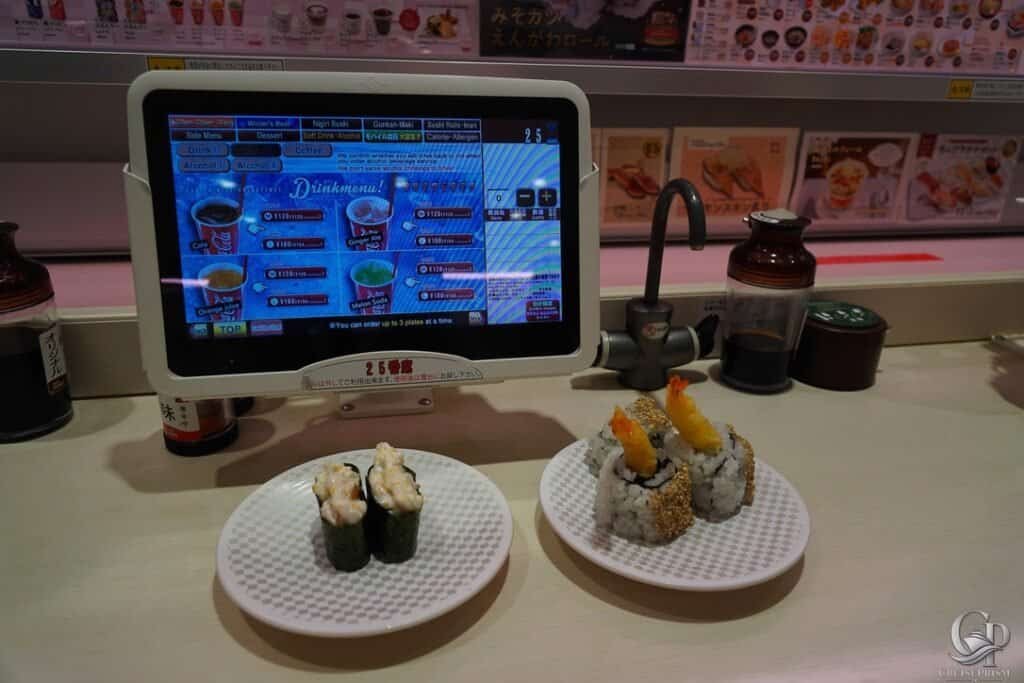
While I didn’t visit Tokyo on a cruise, I spent several unforgettable days exploring the city with my mother and husband during Christmas. It was easily one of the most expensive trips we’ve ever taken, but also one of the most memorable. From eating sushi at conveyor-belt restaurants to exploring the famous fish markets, visiting Tokyo Tower, and getting lost among some of the cleanest and most organized streets I’ve ever seen, Tokyo quickly became one of my favorite cities in the world.
If your cruise includes Tokyo or nearby Yokohama, this guide will help you understand where ships dock, how to get around, where to stay, and what attractions are worth your limited time ashore.
Best For
- First-time visitors to Japan
- Food lovers
- Culture enthusiasts
- Photographers
- Cruise passengers extending their trip
Not Ideal For
- Travelers hoping to see everything in a single day
- Visitors who dislike large cities
Tokyo Cruise Port Overview
Most cruise ships visiting Tokyo use one of two terminals:
Tokyo International Cruise Terminal
Located on Tokyo Bay, this modern terminal provides convenient access to many of the city’s major attractions.
Popular nearby areas include:
- Odaiba
- Tokyo Tower
- Ginza
- Tsukiji
- Rainbow Bridge
- TeamLab attractions
The terminal is well connected by taxi, train, and public transportation.
Yokohama Cruise Terminal
Many cruise itineraries list Tokyo but actually dock in Yokohama, located roughly 30 miles south of central Tokyo.
Don’t let that worry you.
Yokohama is connected to Tokyo by excellent rail service, and reaching central Tokyo typically takes between 30 and 45 minutes.
How to Get From the Airport to the Cruise Port
Tokyo is served by two major airports:
Haneda Airport (HND)
Haneda is the closest airport to central Tokyo and generally the easiest option for cruise passengers.
Approximate travel times:
- Tokyo International Cruise Terminal: 20–30 minutes
- Central Tokyo hotels: 20–40 minutes
- Yokohama Cruise Terminal: 30–45 minutes
Narita International Airport (NRT)
Narita is located farther from the city center.
Approximate travel times:
- Central Tokyo: 60–90 minutes
- Yokohama: 90–120 minutes
- Cruise terminals: typically over one hour
For cruise passengers arriving the same day as embarkation, I strongly recommend arriving at least one day early whenever possible.
Tokyo is too important a destination to risk missing because of flight delays.
Getting Around Tokyo
- Taxis are clean, safe, and reliable, though significantly more expensive than public transportation.
- Tokyo’s subway and rail network is one of the best in the world.
- IC cards such as Suica and Pasmo make using public transportation extremely easy.
- Google Maps works exceptionally well for navigating trains and transfers.
Best Hotels Near the Cruise Port
Conrad Tokyo
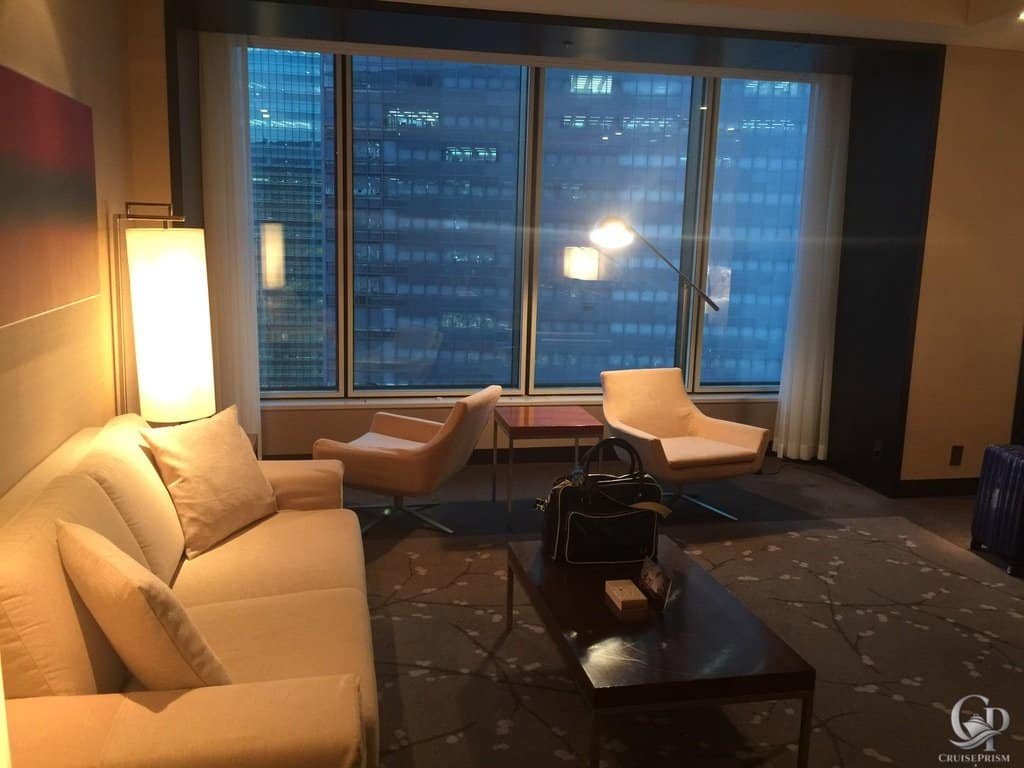
This is where we stayed during our visit, and it remains one of the most impressive hotels I’ve ever experienced.
The views overlooking Tokyo were incredible, especially during breakfast. Waking up high above the city and watching Tokyo come alive each morning was an experience I’ll never forget.
The Conrad is known for its famous teddy bears, which quickly became one of my favorite souvenirs. I ended up buying several additional bears because they were simply too cute to leave behind.
Pros:
- Incredible city views
- Luxury accommodations
- Excellent service
- Convenient location near Ginza and Tokyo Bay
Odaiba Hotels
Odaiba is one of the most convenient areas for cruise passengers.
Benefits include:
- Close to cruise terminals
- Waterfront views
- Shopping centers
- Easy transportation access
Yokohama Waterfront Hotels
If your ship departs from Yokohama, staying near the waterfront can make embarkation day significantly easier.
What Makes Tokyo So Special?
I’ve visited many cities around the world, but Tokyo stands apart. Quite honestly, Tokyo is what every major city should aspire to be. Despite being one of the largest metropolitan areas on the planet, it feels remarkably organized, clean, safe, and efficient. The world-class subway system makes it easy to navigate, the streets are spotless, and the level of courtesy and respect shown by locals is something visitors immediately notice.
What impressed me most was how smoothly everything functions. Even during the busiest rush hours, Tokyo feels far less chaotic than many cities with only a fraction of its population, creating an experience that is both exciting and surprisingly comfortable for travelers.
Best Things to Do Near the Tokyo Cruise Port
Explore Shibuya Crossing
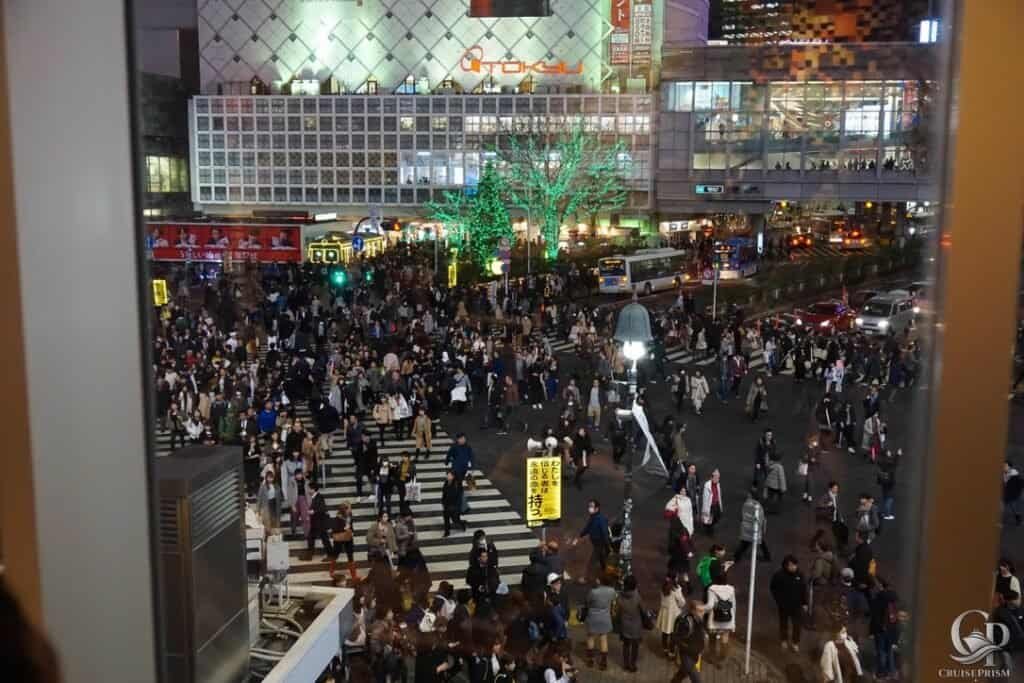
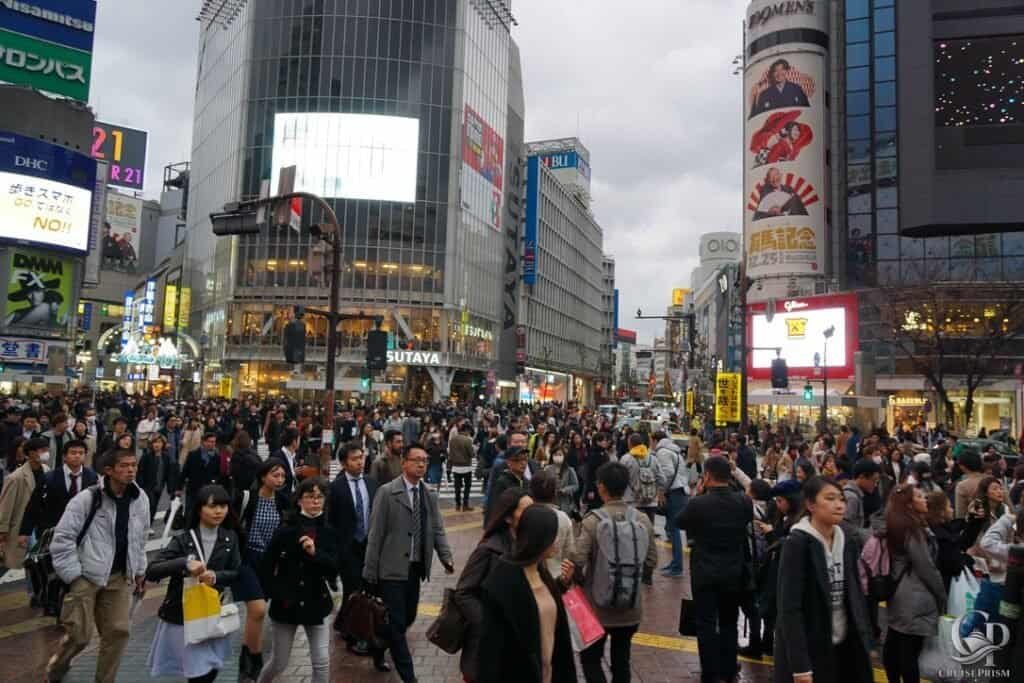
If you’ve ever seen footage of thousands of people crossing an intersection from every direction at once, you’ve probably seen Shibuya Crossing. This iconic landmark was one of my favorite places in Tokyo. Watching the organized chaos unfold as crowds move seamlessly across the intersection is surprisingly fascinating and gives you a real sense of the city’s energy. The surrounding Shibuya district is just as impressive, filled with restaurants, shopping centers, entertainment venues, and some of the most recognizable cityscapes in Japan. Whether you visit during the day or after dark when the neon lights illuminate the area, Shibuya offers one of the most memorable urban experiences in Tokyo.
Visit Tsukiji Outer Market
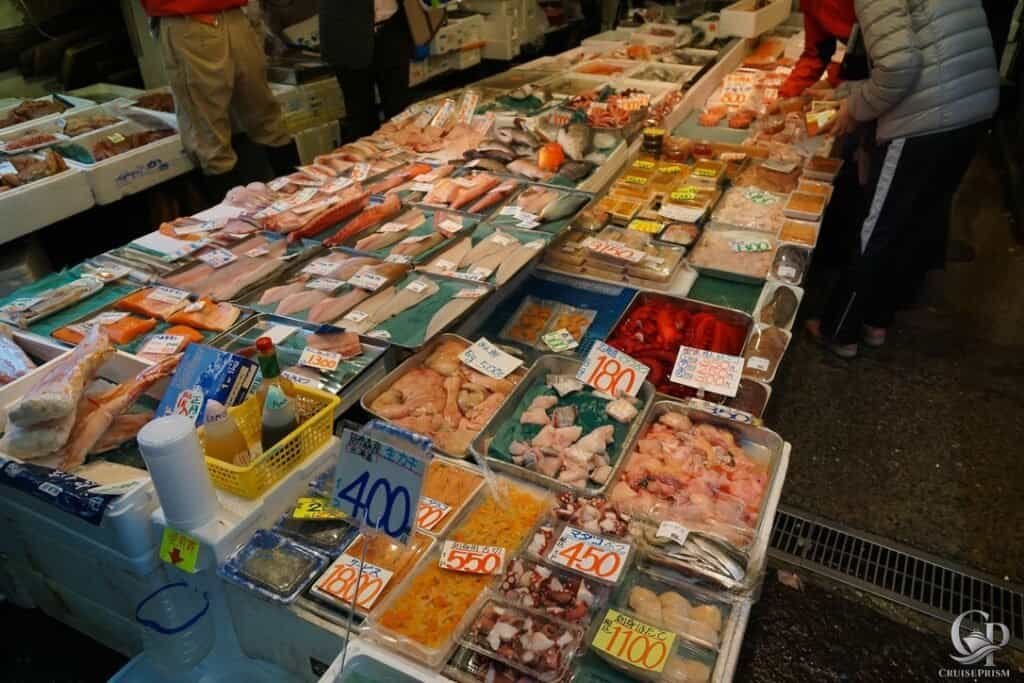
The former Tsukiji Fish Market remains one of Tokyo’s most popular culinary destinations and was one of the highlights of my visit. Walking through the bustling market is a sensory experience unlike any other, with the aroma of fresh seafood filling the air and vendors offering everything from sushi and sashimi to fruit, snacks, and traditional Japanese specialties. One of the biggest surprises for me was the incredible variety of strawberries on display. I had no idea there were so many different types, sizes, and even colors available in Japan. The quality and freshness of the food were outstanding, and whether you’re a seafood lover or simply enjoy exploring local food culture, Tsukiji is a must-visit stop in Tokyo.
Visit Tokyo Tower
Tokyo Tower remains one of Tokyo’s most recognizable landmarks and a symbol of the city’s post-war growth and modernization. Inspired by the Eiffel Tower but standing even taller, the structure offers spectacular panoramic views of the surrounding skyline from its observation decks. On clear days, visitors can see across much of the Tokyo metropolitan area, and some are even lucky enough to catch a glimpse of Mount Fuji in the distance. Whether you visit during the day or after sunset when the city lights begin to sparkle, Tokyo Tower provides a memorable perspective of one of the world’s largest cities. If it’s your first trip to Tokyo, this iconic attraction is well worth adding to your itinerary.
Visit Tokyo Skytree
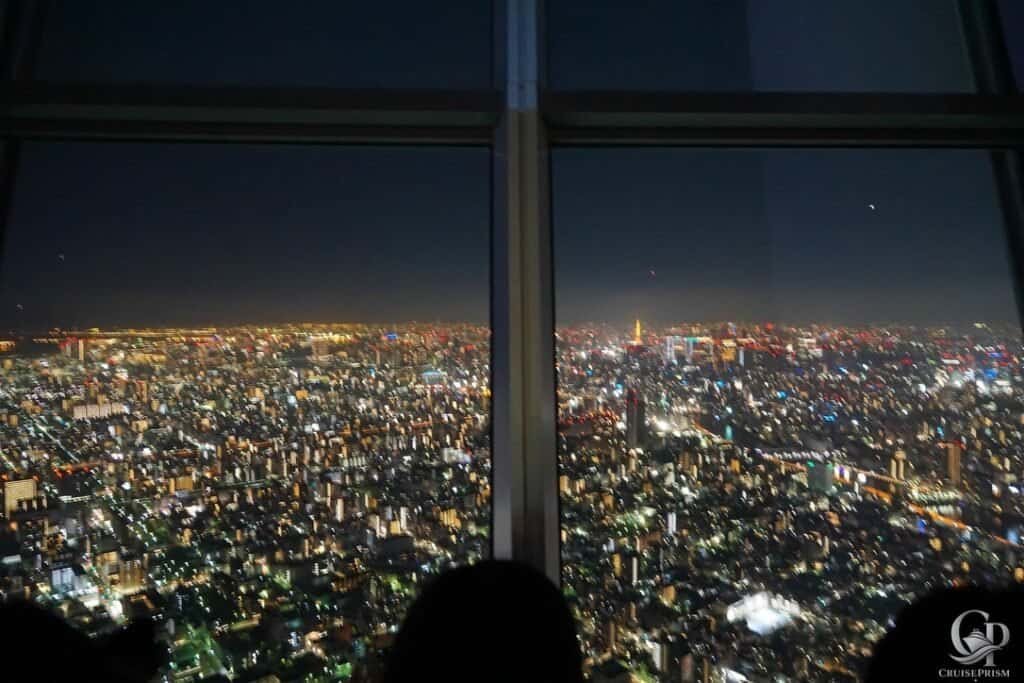
Tokyo Skytree is the tallest structure in Japan and one of the most impressive observation towers in the world. Standing at 2,080 feet (634 meters), the tower dominates the Tokyo skyline and offers breathtaking panoramic views of the city from its observation decks. On clear days, visitors can see across the sprawling metropolitan area and may even catch a glimpse of Mount Fuji in the distance.
During our visit, the views were absolutely spectacular, but so were the crowds. The lines to reach the observation decks were enormous, and we ultimately decided to pay extra for a faster entry option rather than spend a significant portion of our day waiting. Looking back, it was money well spent. Once at the top, the views easily justified the visit and provided one of the best perspectives of Tokyo that we experienced during the trip.
In addition to the observation decks, the Skytree complex features shopping, restaurants, and an aquarium, making it easy to spend several hours in the area. If you’re visiting Tokyo for the first time and want to appreciate the sheer size of the city, Tokyo Skytree is one of the best places to do it.
Explore Ginza
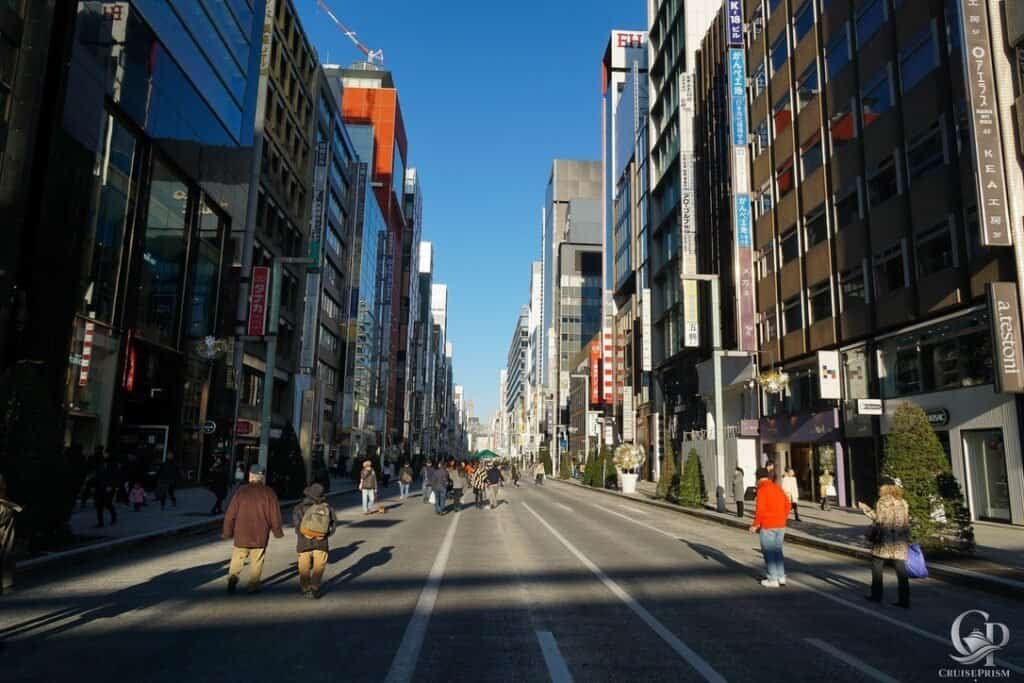
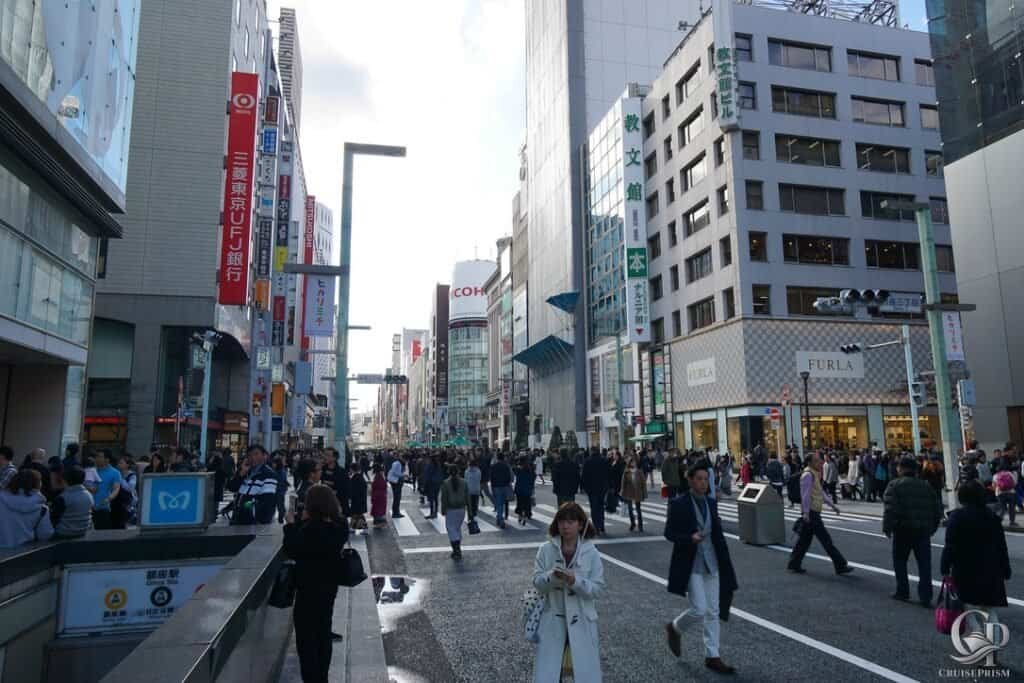
Ginza is Tokyo’s premier luxury shopping district and one of the most upscale neighborhoods in Japan. The area is home to flagship stores from some of the world’s most prestigious brands, including Louis Vuitton, Gucci, Chanel, Bulgari, Prada, and Fendi. Walking through Ginza feels very different from other parts of Tokyo, with wide streets, elegant storefronts, and an atmosphere that feels polished and sophisticated.
Even if luxury shopping isn’t your thing, Ginza is still worth visiting. The district is known for its impressive architecture, upscale restaurants, department stores, and vibrant city atmosphere. It’s a great place to stroll, people-watch, and experience one of Tokyo’s most iconic neighborhoods while seeing a side of the city that contrasts sharply with the energy of Shibuya or the historic charm of Asakusa.
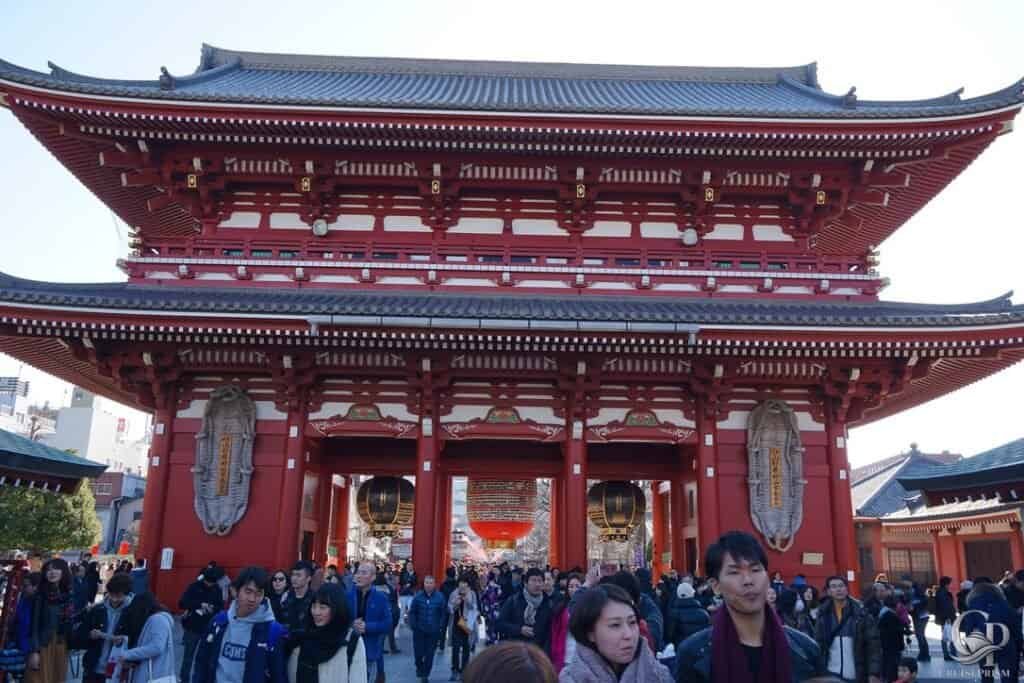
Visit Senso-ji Temple
Sensō-ji is Tokyo’s most famous temple and one of the city’s most important cultural landmarks. Located in the historic Asakusa district, the temple attracts millions of visitors each year who come to admire its impressive architecture, traditional atmosphere, and vibrant shopping street leading to the main grounds. During my visit in winter, the temple and surrounding area were especially beautiful, with fewer crowds and a peaceful atmosphere that made exploring even more enjoyable.
This is also where I made the questionable decision to try takoyaki for the first time. For those unfamiliar, these popular Japanese street snacks are filled with octopus and served piping hot. While many people love them, my digestive system and Tokyo reached an immediate disagreement afterward. Thankfully, after a somewhat urgent search through the surrounding streets, I managed to locate a restroom before disaster struck. Looking back, it makes for a funny travel story and one more memorable experience from an unforgettable visit to Tokyo.
Visit Odaiba
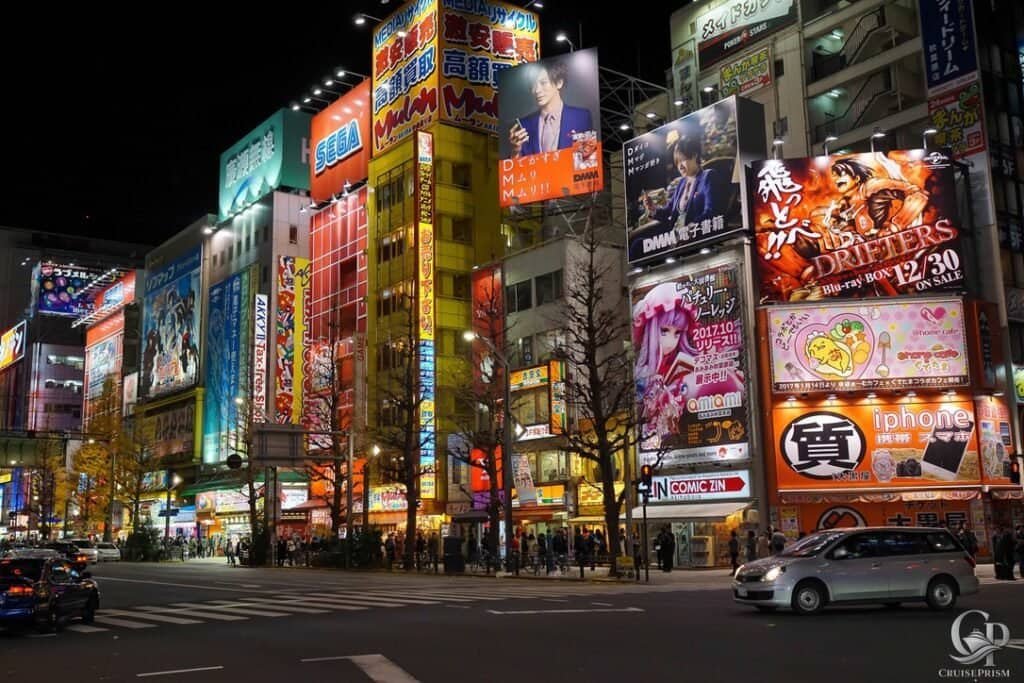
Odaiba feels like Tokyo’s futuristic side, offering a completely different atmosphere from the city’s historic temples and traditional neighborhoods. Built on a man-made island in Tokyo Bay, Odaiba is known for its modern architecture, waterfront views, and wide variety of attractions that appeal to visitors of all ages.
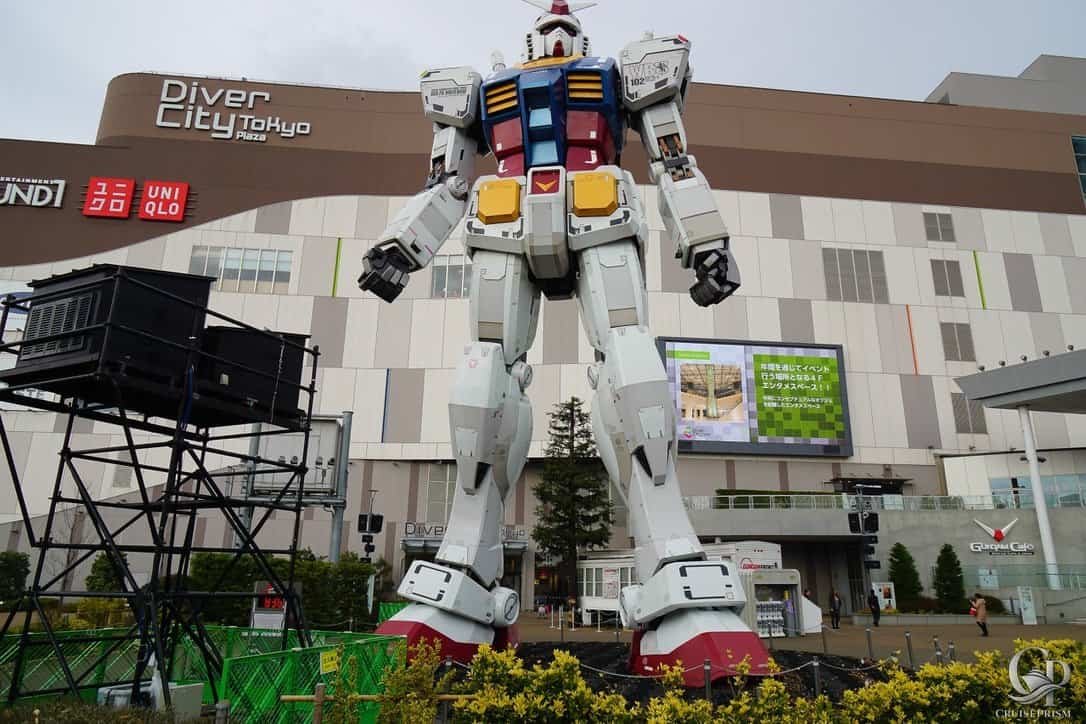
Popular highlights include the famous giant Gundam statue, large shopping centers, entertainment complexes, waterfront promenades, Hello Kitty stores, and immersive digital art experiences. The area is also particularly convenient for cruise passengers, as several Tokyo cruise terminals provide relatively easy access to Odaiba, making it a great option for travelers looking to maximize their limited time in port.
Visit Meiji Shrine
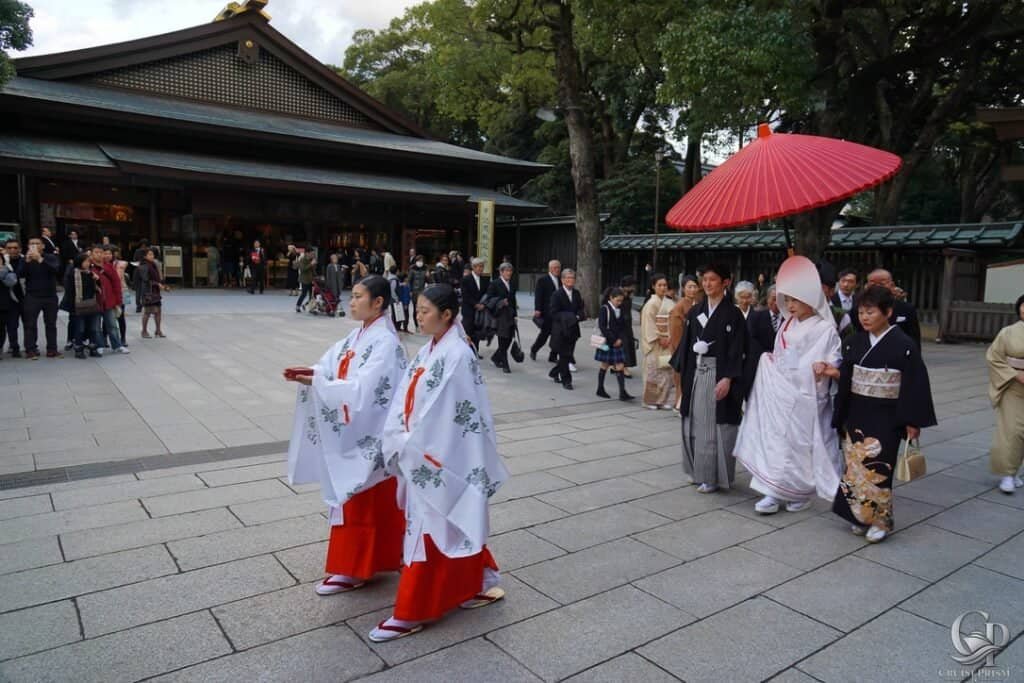
Meiji Shrine offers a peaceful escape from Tokyo’s busy streets and towering skyscrapers. Located within a large forested park near the Harajuku district, the shrine is one of Japan’s most important Shinto sites and is dedicated to Emperor Meiji and Empress Shoken. Walking beneath the massive torii gates and along the tree-lined paths feels like stepping into a completely different world despite being in the heart of one of the largest cities on Earth.
One of the most memorable moments of our visit was unexpectedly witnessing a traditional Japanese wedding procession taking place on the shrine grounds. Seeing the bride, groom, and attendants dressed in traditional attire was something none of us had ever experienced before and added a special cultural element to our visit. Whether you’re interested in Japanese history, architecture, photography, or simply looking for a quieter side of Tokyo, Meiji Shrine is well worth including in your itinerary.
Snoopy Museum Tokyo
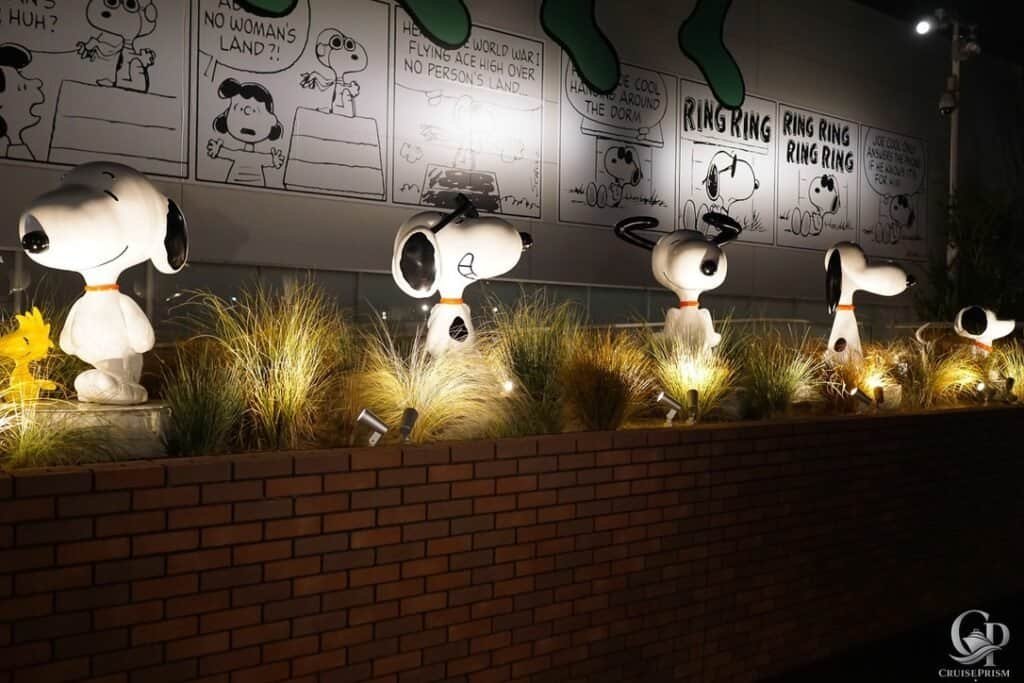
I’ll admit that museums usually aren’t my thing. While I can appreciate their cultural and historical significance, I often find myself losing interest fairly quickly. That’s why the Snoopy Museum in Tokyo was such a pleasant surprise.
Dedicated to the world of Peanuts and its beloved characters, the museum was fun, interactive, well-designed, and genuinely entertaining from start to finish. The exhibits were engaging, the artwork was beautifully displayed, and the entire experience felt more immersive than a traditional museum visit. Even if you don’t typically enjoy museums, the Snoopy Museum is worth considering, especially if you’re looking for a unique attraction that offers something a little different from Tokyo’s temples, shopping districts, and observation decks.
A Christmas Memory I’ll Never Forget
One of my favorite memories from Tokyo happened around five in the morning while we were staying at the Conrad Tokyo.
My mother suddenly woke me up in a panic and announced, “There’s an earthquake.”
Still half asleep, I confidently informed her that there was absolutely no earthquake and that she should go back to sleep. She insisted the building was moving. Given that we were staying dozens of floors above the city, I assumed she was imagining things.
A few minutes later, curiosity got the better of me, and I checked online.
Sure enough, there had been a small earthquake.
Nothing dangerous. Nothing dramatic. Just a minor tremor that most visitors probably would have slept through.
Yet somehow my mother detected it almost immediately from high above the Tokyo skyline. Considering she lived through a major earthquake years ago in Colombia, I suppose I should have trusted her instincts. To this day, she still reminds me that she was right and I was wrong.
Tokyo’s Toilets: An Unexpected Adventure
One thing many first-time visitors to Japan may not realize is that some public restrooms still feature traditional squat toilets alongside modern Western-style facilities.
During our trip, my mother unexpectedly encountered one of these traditional toilets. Unfortunately, her knees were not particularly enthusiastic about the arrangement. What followed was a mixture of confusion, problem-solving, and laughter as she tried to determine the best way to approach the situation.
Hearing her call for assistance from inside the restroom remains one of the funniest memories from our time in Tokyo. Thankfully, the crisis was eventually resolved without injury, embarrassment, or the need for an international rescue operation. Looking back, it became one of those unexpected travel moments that we still laugh about years later.
Can You See Tokyo in One Day?
Yes.
Can you see all of Tokyo in one day?
Absolutely not.
Tokyo is one of the largest cities in the world, and even a week barely scratches the surface. However, cruise passengers can still experience many of the city’s highlights during a single port visit with a well-planned itinerary.
If your cruise only allows one day ashore, I would prioritize:
- Shibuya Crossing
- Sensō-ji Temple
- Tsukiji Outer Market
- Tokyo Skytree or Tokyo Tower
- Ginza
This itinerary provides an excellent introduction to Tokyo by combining history, culture, food, shopping, and some of the city’s most iconic views. If time permits, Meiji Shrine is another excellent addition that offers a peaceful contrast to Tokyo’s busy streets and modern skyline.

Final Verdict
Tokyo is one of the best cities I’ve ever visited.
Between the incredible food, efficient transportation, world-famous attractions, spotless streets, and welcoming atmosphere, it’s easy to understand why so many travelers return again and again.
Whether you’re visiting for a few days before your cruise or simply stopping during a port call, Tokyo delivers an experience unlike almost anywhere else in the world.
And while I still remember the sushi, the fish markets, the views from the Conrad, and the giant intersections, the memories I cherish most are the simple ones: spending Christmas with my husband and mother, exploring a fascinating city together, and sharing experiences that we’ll be talking about for years to come.
Before You Book
If you’re planning your cruise, check out:
- Cruise Tips (to help you make the most of your time)
- Our full cruise ship reviews (what the experience is really like onboard)
- Cruise menus and drink guides (what you’ll actually pay onboard)